10 Best Wound Infection Medicines for Global Buyers

Wound infections can turn a small skin break into a serious clinical problem. A warm edge, spreading redness, increasing pain, or cloudy drainage may signal trouble, but appearance alone cannot identify the cause. That matters when choosing a Wound Infection Medicine: antibiotics, antiseptics, and topical products serve different purposes. They are not interchangeable, and the wrong choice can delay appropriate care.

The World Health Organization’s 2022 Global Report on Infection Prevention and Control estimates that, on any given day, about 7% of patients in high-income countries and 15% in low- and middle-income countries acquire at least one healthcare-associated infection in acute-care hospitals. These figures cover many infection types, not wound infections alone. Still, they show why sound infection control and treatment decisions matter. WHO Director-General Dr. Tedros Adhanom Ghebreyesus has said, “No one should get sick while seeking or receiving care.” That principle applies to wound care, too.

This guide compares ten medicines and product categories for global buyers, focusing on their intended use, active ingredients, practical limitations, and selection questions. A label is only a starting point. A clinician may need to assess wound depth, circulation, allergies, and signs of systemic illness before recommending treatment. Small details matter. So does local availability. The comparison is educational, not a substitute for clinical judgment; some product differences are less clear-cut than marketing suggests. Persistent or worsening symptoms deserve professional assessment.
10 Best Wound Infection Medicines for Global Buyers

Understanding Wound Infections and When Treatment Is Needed

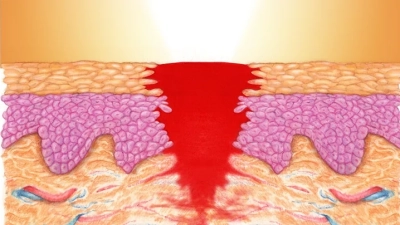
Wound infections can begin when bacteria enter broken skin through a cut, scrape, burn, or surgical incision. Watch for redness that spreads, warmth, swelling, worsening pain, cloudy drainage, or an unpleasant smell. Small changes matter. A little redness at the wound edge can be part of normal healing, but increasing redness or pain deserves attention.

Seek medical advice if symptoms worsen, the wound is deep or dirty, or healing seems stalled. Fever, red streaks moving away from the wound, severe pain, or feeling unusually weak need prompt assessment. People with diabetes, poor circulation, or a weakened immune system may need earlier care. Don’t wait for a wound to look dramatic.

Treatment depends on the wound and the person. A clinician may clean it, remove damaged tissue, or recommend medicine; antibiotics are not needed for every wound and should not be chosen by guesswork. Until assessed, gently rinse a minor wound with clean running water and cover it with a clean dressing. Avoid squeezing it or applying harsh household substances. I used to think every yellow mark meant infection; that is not always true, and appearance alone can mislead.

Key Types of Medicines Used to Treat Wound Infections

Wound infection medicines fall into several groups, and the right choice depends on the wound, its depth, and the person’s health. Clinicians may use topical antiseptics to reduce microbes on or around a wound during cleaning. Some dressings also contain antimicrobial agents, such as silver, and may be considered for selected wounds. These products are not substitutes for assessment when redness spreads, pain worsens, or pus appears.

Antibiotics treat bacterial infections, but they are not needed for every wound. A clinician may prescribe a topical antibiotic for a limited, superficial infection, or an oral or injected antibiotic when infection is more extensive or affects deeper tissue. The medicine should match the likely bacteria and clinical findings. Treatment choices can vary by region and local guidance. That can be confusing.

Pain relievers may ease discomfort, but they do not clear an infection. Likewise, antiseptics can irritate tissue if used inappropriately, so wound-care instructions matter.

A fever, rapidly spreading redness, red streaks, or increasing swelling needs prompt medical attention. It is tempting to judge infection by appearance alone; that judgment can be wrong. A qualified professional can examine the wound, consider allergies and other medicines, and decide whether testing or prescription treatment is appropriate.

Ten Common Wound Infection Medicines and Their Uses

Ten Common Wound Infection Medicines and Their Uses

Wound medicines serve different purposes; the right choice depends on wound depth, symptoms, allergies, and local guidance. Chlorhexidine and povidone-iodine are antiseptics used to reduce germs on surrounding skin or in suitable wound-cleaning situations. They are not interchangeable, and some formulations should not enter deep wounds. It may sting.

For small, localized bacterial skin infections, clinicians may prescribe mupirocin or fusidic acid as topical antibiotics. Bacitracin is used in some settings for minor skin wounds, but it can cause allergic rashes and is not suitable for every infection. Oral antibiotics are considered when infection spreads or affects deeper tissue. Cephalexin and dicloxacillin may treat certain skin bacteria; amoxicillin-clavulanate may be chosen for some bite wounds. Doxycycline or trimethoprim-sulfamethoxazole may be options for selected infections, including some suspected resistant bacteria. Choice depends on examination, allergy history, and local resistance patterns.

A medicine list cannot identify the cause of a particular wound. Pus, increasing redness, warmth, swelling, worsening pain, or fever needs prompt medical assessment. Abscesses may require drainage, not antibiotics alone. Avoid using leftover prescriptions or applying several products at once; even careful wound care can miss an infection that is spreading.

How Global Buyers Can Compare Medicines and Availability

Comparing wound-infection medicines across markets is not just a price exercise. The appropriate treatment depends on the wound, patient factors, and local clinical guidance. WHO’s 2022 Global Report on Infection Prevention and Control estimates that 7 in 100 acute-care patients in high-income countries, and 15 in 100 in low- and middle-income countries, acquire at least one healthcare-associated infection. These figures cover all such infections, not wound infections alone. They still show why dependable supply matters. Not interchangeable.

Buyers can compare national registration, dosage form, strength, pack size, storage conditions, expiry on arrival, and supplier lead times. Request traceable quality documents and check whether stock can be replenished consistently. WHO’s 2023 AWaRe classification groups antibiotics into Access, Watch, and Reserve categories, supporting stewardship discussions; it does not replace national guidance or a clinician’s assessment. I would not rank options by headline price alone. A low quote may come with a short remaining shelf life or uncertain delivery. That is easy to overlook. For suspected infection, medicine selection should be confirmed by a qualified health professional, especially when symptoms worsen or treatment fails.

10 Best Wound Infection Medicines for Global Buyers - How Global Buyers Can Compare Medicines and Availability

There is no single best medicine for every wound. The options below have different roles and are not interchangeable. Choice depends on wound type, severity, likely or confirmed bacteria, allergies, local treatment guidelines, and regulatory approval.

Generic medicine Category and route Typical role Availability considerations for global buyers Important limitations
Sodium chloride 0.9% (sterile saline) Wound irrigation solution Rinsing wounds to remove loose debris; it is not an antibiotic or antiseptic. Often available in medical-supply channels; confirm sterile, wound-irrigation suitability and packaging. Does not treat an established infection. Use sterile products for wound irrigation.
Povidone-iodine Topical antiseptic Used for antisepsis in selected wound-care settings; formulations and protocols vary. Commonly marketed in many regions, but concentrations and approved uses differ by country. Not suitable for everyone; consider iodine sensitivity, thyroid conditions, pregnancy, and use over large areas. Follow local instructions.
Chlorhexidine Topical antiseptic; formulation-dependent Primarily used for skin antisepsis around a wound, according to the product label and clinical protocol. Widely available in many markets; check whether the product is intended for intact skin or direct wound use. Some formulations can damage tissue or irritate sensitive areas. Avoid eyes, ears, and deep wounds unless specifically directed by a clinician.
Octenidine Topical antiseptic Used in some countries for antiseptic wound care and skin antisepsis. Market presence and approved indications vary substantially by country; verify local registration and formulation. Use only as directed on the specific product label; do not inject or force antiseptic into deep tissue spaces.
Mupirocin Topical antibiotic May be prescribed for certain localized superficial bacterial skin infections. Prescription status, approved indications, and availability vary by market. Not appropriate for every wound or a spreading/deep infection. Unnecessary or prolonged use can contribute to antibiotic resistance.
Fusidic acid Topical antibiotic Used in some regions for selected superficial bacterial skin infections. Availability and prescription requirements differ; it is not approved or routinely used for the same indications everywhere. Local resistance patterns matter. Avoid using it without a clinician’s direction or for prolonged periods.
Silver sulfadiazine Topical antimicrobial cream Used in selected burn-care situations under clinical supervision. Availability and burn-care protocols vary; confirm local authorization and intended use. Not a routine choice for minor cuts. It may delay wound healing and is unsuitable for some patients, including those with sulfonamide allergy.
Cephalexin Oral antibiotic; prescription medicine in many markets Clinicians may use it for selected skin and soft-tissue infections caused by susceptible bacteria. Generic supply is common in many regions, but registration, prescription rules, and strengths vary. Does not reliably cover MRSA. Allergy history, local guidance, and appropriate diagnosis are important.
Amoxicillin–clavulanate Oral antibiotic; prescription medicine in many markets May be selected by clinicians for certain bite wounds or infections where mixed bacteria are a concern. Often available as a generic, but formulations and regulatory status differ between countries. Not suitable for everyone and does not reliably cover MRSA. Can cause gastrointestinal side effects; allergy and kidney function may affect use.
Doxycycline Oral antibiotic; prescription medicine in many markets May be considered by clinicians for selected infections, including some suspected or confirmed community-associated MRSA infections. Generic supply is available in many markets; local guidelines and regulatory restrictions should be checked. Coverage of streptococcal infection may be unreliable. Suitability depends on age, pregnancy status, other medicines, and clinical assessment.

Buyer and safety note: Compare the generic ingredient, dosage form, strength, sterile status where applicable, approved indication, local registration, storage requirements, and prescription rules. Do not select or use antibiotics solely on the basis of this table. A clinician should assess suspected wound infections; urgent care is important for rapidly spreading redness, fever, severe pain, pus, or a deep wound.

Safety, Proper Use, and Signs That Require Medical Care

Wound medicines can help, but the right choice depends on the wound’s depth, cause, and a person’s health. Wash your hands, then rinse a small wound with clean running water. Gently clean the surrounding skin and cover the area with a sterile dressing. Keep the dressing dry and change it when wet or dirty. Simple care matters.

Do not start leftover antibiotics or share medicines. An infected wound may need assessment and a prescription; the wrong treatment can delay proper care. Follow the label and a clinician’s directions, and check the active ingredient, expiry date, and intact packaging when buying wound products. Stop using a product if a rash or swelling develops. Some people react to ingredients they have used before. That detail is easy to miss.

Watch for spreading redness, increasing warmth or swelling, worsening pain, pus, or a bad smell. Fever, chills, red streaks, or feeling unusually weak need prompt medical attention. Seek urgent care for a deep puncture, a bite, a wound that will not stop bleeding, or a wound near the eye. People with diabetes, poor circulation, or weakened immunity should get advice early, even when the wound looks small. A photo can help track changes, but it cannot replace an examination.

CONTACT US