What Are the Top Wound Medicine Suppliers in China?

China’s wound-care industry is expanding as hospitals manage diabetic ulcers, pressure injuries, burns, and post-surgical wounds. Wound Medicine now includes dressings, negative-pressure systems, hydrogels, alginate products, antimicrobial materials, and biological therapies. The market is broad, not simple.

Grand View Research valued the global advanced wound care market at about USD 10.6 billion in 2023. Its forecast suggests continued growth through 2030, driven by diabetes, ageing populations, and hospital-acquired wound risks. Fortune Business Insights reported a much larger global wound care market estimate for 2023. The difference reflects varying definitions and product categories. That limitation matters.

China also has a strong manufacturing base. Suppliers increasingly promote ISO 13485 quality systems, NMPA registration, hospital partnerships, and export certifications. However, certification alone does not prove clinical value. Buyers should examine product indications, published evidence, manufacturing traceability, complaint records, and delivery performance. A sterile dressing may look excellent in a catalogue, yet fail if packaging is damaged or supply becomes irregular.

This guide evaluates leading Chinese suppliers through practical criteria. These include product depth, regulatory readiness, clinical experience, production capacity, and international reliability. Public rankings are imperfect. Some manufacturers disclose limited clinical data. Others use broad product claims that deserve careful review. Therefore, “top” should mean suitable and verifiable, not merely large or well advertised.

The following discussion highlights suppliers serving hospitals, distributors, and specialized wound-care providers. It also considers how their products perform in real purchasing conditions, from a procurement office to a busy wound clinic.
What Are the Top Wound Medicine Suppliers in China?

China’s Wound Medicine Supplier Market: Scope and Industry Overview

China’s wound medicine supplier market spans pharmaceutical ingredients, dressings, antimicrobial products, and negative-pressure therapy systems. Demand is rising with diabetes, surgery, trauma, and population ageing. The National Bureau of Statistics reported 216.8 million people aged 65 or above in 2023. That represented 15.4% of China’s population.

Chronic wounds create a particularly important purchasing channel. The International Diabetes Federation estimated 140.9 million adults with diabetes in China in 2021. It projects 174.4 million by 2045. Many patients need repeated assessment, infection control, and long-term dressing changes. Suppliers therefore compete on clinical evidence, production stability, sterilization control, and hospital service. The World Health Organization also stresses quality-assured products and stronger primary-care capacity in chronic disease management.

The market is not perfectly measured. Commercial reports often group medicines, dressings, devices, and home-care services differently. Estimates from Grand View Research and Fortune Business Insights therefore vary by product definition. That gap matters. A capable supplier should disclose registration status, test methods, batch records, and delivery performance. NMPA compliance remains essential for products entering Chinese hospitals. Local distribution experience helps, but it cannot replace clinical validation. Some suppliers still present impressive factory numbers without enough outcome data. Buyers should question that weakness. Regional demand also differs sharply, especially between major cities and lower-tier hospitals.

What Are the Top Wound Medicine Suppliers in China?

China’s Wound Medicine Supplier Market: Scope and Industry Overview

China’s population aged 60 and above increased from 264.02 million in 2020 to 310.31 million in 2024. This demographic trend is a key demand indicator for wound-care medicines and medical dressings because aging is associated with higher rates of chronic wounds, surgical wounds, and slower healing. The figures are from China’s National Bureau of Statistics.

Key Product Categories Offered by Chinese Wound Medicine Suppliers

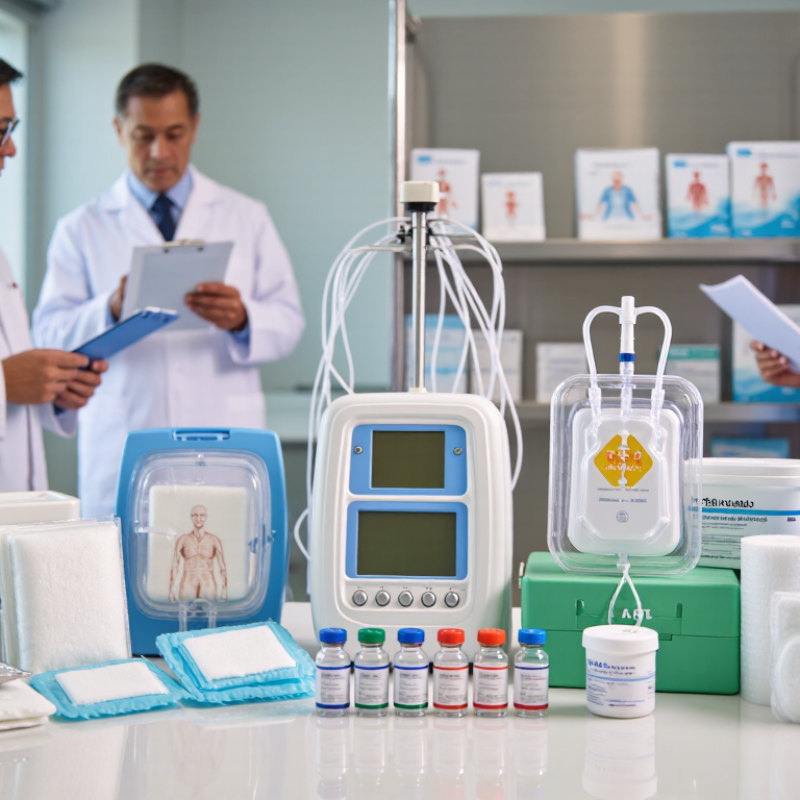
Chinese wound medicine suppliers commonly organize their portfolios around traditional dressings, advanced wound care, and supporting devices. Traditional options include sterile gauze, absorbent pads, cotton rolls, and adhesive fixation materials. Advanced categories include foam, hydrocolloid, alginate, hydrofiber, and antimicrobial dressings. Each serves a different wound environment.

Clinical need is expanding. The International Diabetes Federation reported 537 million adults living with diabetes in 2021. Diabetic foot wounds remain a serious care challenge. Grand View Research estimated the global advanced wound care market at about USD 10.6 billion in 2023. These figures help explain the growing Chinese supply base. Still, market size does not prove clinical value.

Many Chinese suppliers also provide negative pressure wound therapy systems, compression products, skin closure materials, wound irrigation solutions, and pressure injury prevention items. Hospitals often assess fluid handling, wear time, sterility, packaging, and documentation. Home-care users may prioritize easy application and comfortable removal. Small details matter. A dressing that lifts at the edge can fail early. I would not judge quality by unit price alone. Suppliers should support product testing, traceability, and clinical training, although these services are not equally strong across the market. WHO guidance and local clinical protocols should remain central when comparing categories, specifications, and intended use.

Leading Supplier Types and Their Manufacturing Capabilities

China’s wound medicine suppliers usually fall into several practical groups. Dressing manufacturers produce gauze, nonwoven pads, foam, hydrocolloid, and alginate products. Pharmaceutical manufacturers may add topical gels, cleansing solutions, or prescription wound therapies. Contract manufacturers also support private-label production, packaging, and selected formulation services.

Their capabilities can differ sharply. A strong dressing factory may operate cleanrooms, automated coating lines, and sterile packaging areas. It should control absorbency, adhesion, moisture balance, and seal strength during production. Pharmaceutical facilities need mixing systems, controlled filling, microbial testing, and stability studies. Some suppliers offer gamma or ethylene oxide sterilization through qualified facilities. Others only provide non-sterile products. That difference matters.

Look for batch traceability, documented quality procedures, and clear inspection records. Useful evidence includes certificates of analysis, sterilization records, shelf-life data, and material specifications. Experienced suppliers can usually explain how they handle raw-material checks, environmental monitoring, and production deviations. A polished website proves little. Factory audits and sample testing reveal more. Not every supplier has the same depth. I would also question unusually low prices, because thinner materials or weaker packaging may create hidden quality risks. A minor documentation gap can matter more than an impressive product catalog.

How to Evaluate Quality, Compliance, and Supply Reliability

Choosing a wound medicine supplier in China requires more than comparing prices. Quality begins with documented manufacturing controls, trained staff, and consistent batch performance. Request current production licenses, product registrations, ISO 13485 certification, and applicable testing records. Check whether the documents match the exact facility and product.

Compliance must fit your destination market. A supplier may meet Chinese requirements but lack records needed elsewhere. Review sterility evidence, raw material controls, stability data, labeling, and complaint procedures.

Ask for batch traceability from incoming materials to final cartons. During an audit, inspect clean areas, temperature logs, sampling tools, and rejected-product storage. Small details often reveal larger weaknesses.

Tips: Ask for recent certificates, not old samples. Verify documents independently. Request a pilot order before signing a large contract. Test packaging after transport, including moisture exposure and crushed cartons. Confirm lead times, minimum order quantities, backup materials, and communication during disruptions. A supplier promising constant availability may still depend on one factory or one ingredient source. That risk is easy to miss.

Supply reliability should be measured, not assumed. Compare on-time delivery records, inventory policies, contingency plans, and quality response times. A polished audit room proves little by itself. I have found that clear answers matter, but verifiable records matter more. No evaluation is perfect. Leave room for follow-up inspections and changing regulations.

Selecting the Right Chinese Wound Medicine Supplier for Your Needs

Selecting a Chinese wound medicine supplier requires more than comparing prices. Begin with the product’s intended use, material, sterility level, and storage conditions. A supplier should provide clear technical files, batch records, and consistent product specifications. Ask whether its manufacturing site follows recognized quality management standards and supports independent audits. Documentation matters.

Request recent certificates, test reports, stability data, and evidence behind clinical or performance claims. Check how the supplier controls raw materials, sterilization, packaging, and expiry dates. You should also review its product registration pathway in your target market. Compliance responsibilities may differ between dressings, topical products, and medical devices. Confirm them with qualified regulatory professionals.

Communication is equally important. Test response times with practical questions about samples, minimum order quantities, lead times, and complaint handling. A reliable supplier should explain problems without hiding behind vague language. Inspect sample packaging closely. Look for intact seals, readable labels, and traceable lot numbers. A factory visit or qualified third-party audit can reveal more than a polished presentation.

Low pricing can be useful, but it should not decide alone. A cheap offer may exclude testing, documentation, or proper shipping conditions. One imperfect assumption can affect patient safety and import approval. Reconsider the supplier after reviewing sample results, not before. Choose the partner that combines technical competence, transparent records, stable production, and responsive support for your specific wound-care needs.

CONTACT US