Top Wound Infection Symptoms Causes and Treatment?
Wound Infection can begin quietly beneath a dressing, then progress with spreading redness, warmth, swelling, or worsening pain. Pus, cloudy drainage, unpleasant odor, fever, and red streaks may also signal infection. A wound that suddenly opens deserves prompt medical attention. The Centers for Disease Control and Prevention identifies surgical-site infection as a serious healthcare-associated complication, often involving the incision or deeper tissues. The World Health Organization reports that surgical-site infections affect about 11% of surgical patients in low- and middle-income countries. These figures show why early recognition matters, especially after surgery, injury, burns, or puncture wounds.
This guide examines the top Wound Infection symptoms, causes, and treatment options through evidence-based clinical guidance. Bacteria can enter through damaged skin, contaminated objects, poor hand hygiene, or retained foreign material. Diabetes, smoking, reduced immunity, and poor circulation can increase risk. The Infectious Diseases Society of America recommends matching treatment to infection severity, likely organisms, and culture results when appropriate. Care may involve gentle cleaning, drainage, wound closure decisions, or prescribed antibiotics. Antibiotics are not automatically necessary. That point is easy to miss. Severe pain, rapidly expanding redness, fever, confusion, or blackened skin requires urgent evaluation. Do not squeeze the wound or apply unverified substances. No checklist replaces clinical judgment. Even trusted guidance has limits when a wound’s depth, timing, or medical history remains unclear. A qualified clinician can assess these details and adjust treatment safely.
What Is a Wound Infection and How Does It Develop?
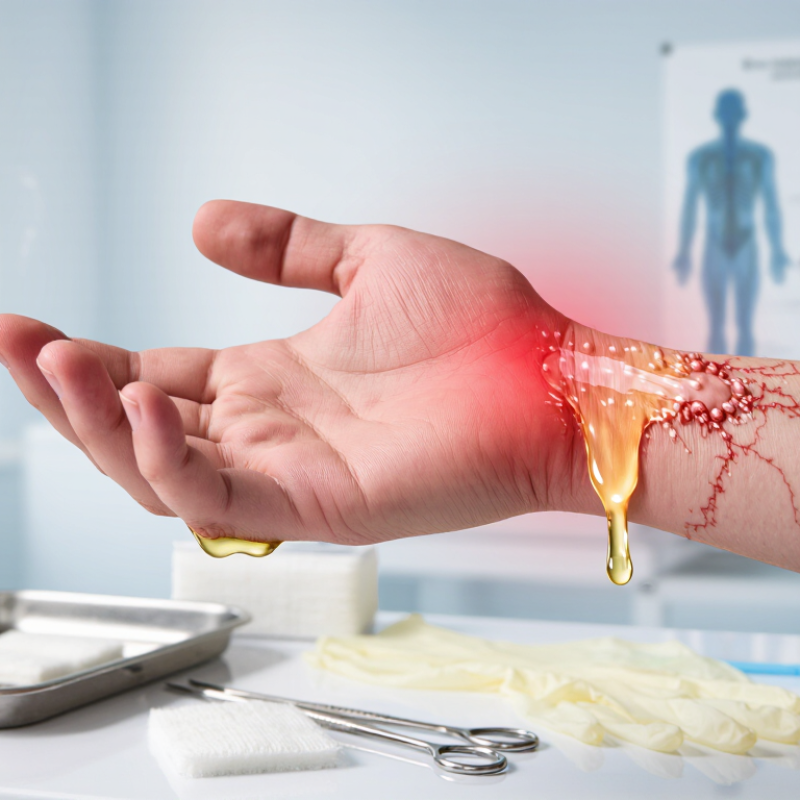
A wound infection begins when harmful microorganisms enter broken skin and multiply faster than the body can control them. Bacteria may come from the surrounding skin, soil, saliva, or contaminated objects. The risk rises with deep wounds, bites, delayed cleaning, poor blood flow, diabetes, smoking, and weakened immunity. WHO’s Global Guidelines for the Prevention of Surgical Site Infection report that infections affect about 11% of surgical patients in low- and middle-income countries. That figure shows why small breaks in the skin deserve careful attention.
Inflammation is not always infection. Mild redness, warmth, and tenderness can occur during normal healing.
Worsening pain, spreading redness, swelling, cloudy drainage, bad odor, fever, or red streaks are more concerning.
A wound can look deceptively quiet. Clinical judgment is not perfect. Healthcare professionals usually examine the wound, check circulation, and consider a swab or imaging test when deeper infection is possible.
Treatment may involve gentle irrigation, removal of dead tissue, drainage, and antibiotics when bacterial infection is confirmed or strongly suspected. Antibiotics do not replace cleaning or drainage. CDC wound-care guidance stresses hand hygiene, clean dressings, and medical assessment after serious injuries.
Seek urgent care for facial wounds, deep punctures, rapidly spreading redness, confusion, or fever with chills.
Common Symptoms and Warning Signs of an Infected Wound
An infected wound often changes in appearance, pain, or smell instead of healing steadily. Redness may spread beyond the wound edge, with warmth, swelling, or worsening tenderness. Thick yellow, green, or cloudy drainage can signal infection. So can a foul odor. A small amount of clear fluid may be normal during early healing, so color alone is not decisive. Fever, chills, unusual tiredness, or red streaks moving up a limb require prompt medical attention. Watch closely.
Common causes include bacteria entering through dirty skin, delayed cleaning, retained splinters, or repeated friction. Diabetes, poor circulation, steroid use, and a weakened immune system can slow healing. The wound may reopen, develop dark tissue, or cause increasing pain that feels disproportionate. Children and older adults may show confusion or reduced appetite instead of fever. That detail is easy to miss. Symptoms do not always appear together, which makes self-diagnosis unreliable.
Gently rinse the area with clean running water, then cover it with a clean dressing. Avoid squeezing the wound or applying harsh chemicals. A healthcare professional may need to drain an abscess, remove damaged tissue, or prescribe antibiotics when appropriate. Antibiotics are not useful for every red wound. Seek urgent care for rapidly spreading redness, severe swelling, red streaks, uncontrolled bleeding, or infection near the eye. Deep punctures, animal bites, and wounds in people with diabetes deserve early assessment. Checking tetanus protection is sensible, but people sometimes remember it too late.
Main Causes and Risk Factors of Wound Infections
Wound Infection Symptoms, Causes, and Treatment
Wound infections often begin when bacteria enter damaged skin. Dirty surfaces, animal bites, punctures, and delayed cleaning can increase this risk. A wound may become infected when tissue remains under pressure or contains a splinter, dirt, or dead skin. Common warning signs include spreading redness, warmth, swelling, worsening pain, cloudy drainage, or an unpleasant smell. Fever or red streaks moving from the wound require prompt medical assessment.
Some people face higher risks. Diabetes can slow healing, especially when blood flow or sensation is reduced. Poor circulation, smoking, weakened immunity, obesity, and poor nutrition may also interfere with tissue repair. Older adults may notice fewer symptoms, so regular inspection matters. Moist dressings, repeated friction, and closing a contaminated wound can encourage bacterial growth. No checklist catches every case. A small wound can worsen unexpectedly.
Tips
Wash your hands before touching the area. Rinse minor wounds with clean running water and gently remove visible dirt. Keep the wound protected with a clean dressing, and change it when wet or dirty. Do not use harsh chemicals inside the wound unless a healthcare professional advises it. Seek care if redness expands, pain increases, pus appears, or healing stalls. Clinicians may clean the wound, remove damaged tissue, prescribe antibiotics when appropriate, or check for deeper infection. Antibiotics are not useful for every wound, and self-treatment can delay proper care.
How Wound Infections Are Diagnosed and Assessed
How Wound Infections Are Diagnosed and Assessed
Diagnosing a wound infection begins with a careful conversation and a close examination. A clinician asks when the injury occurred, how it was cleaned, and whether pain has changed. Medical history matters, especially diabetes, poor circulation, immune problems, or recent surgery. A wound may look minor but behave differently.
The examiner checks redness, warmth, swelling, tenderness, drainage, odor, and wound edges. Fever, chills, fast breathing, confusion, or unusual weakness can suggest a spreading infection. They may measure the red area and compare both limbs. No single sign settles the diagnosis. Some wounds are infected without obvious pus, while others are inflamed but not infected.
Testing depends on the findings. A swab is not always useful because surface bacteria can mislead the assessment. When infection appears deeper or severe, a clinician may collect tissue, order blood tests, or request imaging to look for an abscess, foreign material, or bone involvement. Treatment decisions should follow this assessment, not guesswork. Care may include cleaning, removing damaged tissue, draining a collection, and prescribing appropriate medicine when indicated. Do not squeeze a worsening wound or delay care because pain seems manageable. Assessment is not perfectly tidy. Rechecking the wound after treatment is often essential, because early improvement can be deceptive.
Top Wound Infection Symptoms, Causes and Treatment
Wound infections are commonly assessed through local wound changes and systemic symptoms. The chart summarizes recognized symptom categories used during clinical assessment.
The values represent the number of symptom categories listed in each assessment domain, not the probability of infection or a diagnostic score.
How Wound Infections Are Diagnosed and Assessed
Clinicians examine the wound for spreading redness, increased warmth, swelling, worsening pain, pus or cloudy drainage, delayed healing, and separation of the wound edges. Fever, chills, or feeling generally unwell may indicate a more extensive infection. Assessment may also include a wound swab or tissue sample when clinically appropriate.
Common Causes and Treatment
Infections can develop when bacteria enter through a break in the skin. Risk may increase with diabetes, poor circulation, immune suppression, contaminated injuries, retained foreign material, or inadequate wound care. Treatment depends on severity and may include cleaning and drainage, removal of dead or foreign material, dressings, and antibiotics prescribed by a healthcare professional. Seek urgent medical care if redness rapidly spreads, severe pain develops, red streaks appear, or fever and confusion occur.
Treatment Options, Wound Care, and When to Seek Medical Help
A wound infection may begin quietly. Increasing redness, warmth, swelling, tenderness, or cloudy drainage deserves attention. Fever, red streaks, worsening pain, and a bad smell are more concerning signs. The CDC reports that surgical-site infections represent about 20% of healthcare-associated infections in United States hospitals. Risk rises with diabetes, poor circulation, smoking, immune problems, and contaminated injuries.
Treatment depends on depth and severity. A clinician may clean the wound, remove damaged tissue, collect a sample, or prescribe antibiotics when bacteria are likely. Antibiotics should not be borrowed or stopped early. Daily care usually includes handwashing, gentle rinsing with clean running water, and a fresh sterile dressing. Keep the surrounding skin dry. Do not squeeze pus or repeatedly use harsh antiseptics; they may irritate healing tissue. Small mistakes matter.
The World Health Organization’s Global Guidelines for the Prevention of Surgical Site Infection emphasize clean technique, hand hygiene, and appropriate wound monitoring. Check the wound at least once daily, especially after surgery or injury. Seek medical help promptly if redness spreads, pain intensifies, the wound opens, or fever develops. Emergency care is needed for confusion, faintness, rapid breathing, or rapidly spreading redness. A clinician should review animal bites, deep punctures, burns, and wounds containing dirt or foreign material. Healing is not always linear; improvement should still be visible within a reasonable period.