Best Tips for Shaving Your Cat in Summer for a Cool Coat?
As temperatures soar in summer, pet owners often seek ways to keep their furry friends comfortable. Shaving a cat for summer is a common practice, though it requires careful consideration. According to Dr. Sarah Thompson, a leading veterinarian in feline grooming, “Shaving a cat can help with heat regulation, but it must be done thoughtfully.”
Choosing to shave your cat is not a decision to take lightly. Cats have a natural coat that regulates body temperature. Removing this coat can lead to skin irritation or sunburn. It's crucial to understand your cat’s breed and individual needs before proceeding. Cats with thick undercoats may benefit from a trim, while others might just need regular brushing.
Before starting, it's essential to prepare properly. Gathering the right tools is key. Ensure you have high-quality clippers and brushes. Consult with a professional groomer if you're unsure about the process. Remember, the well-being of your cat should always come first. Always reflect on your methods and adjust as needed for the best outcomes in shaving cats for summer.
Understanding the Benefits of Summer Shaving for Your Cat
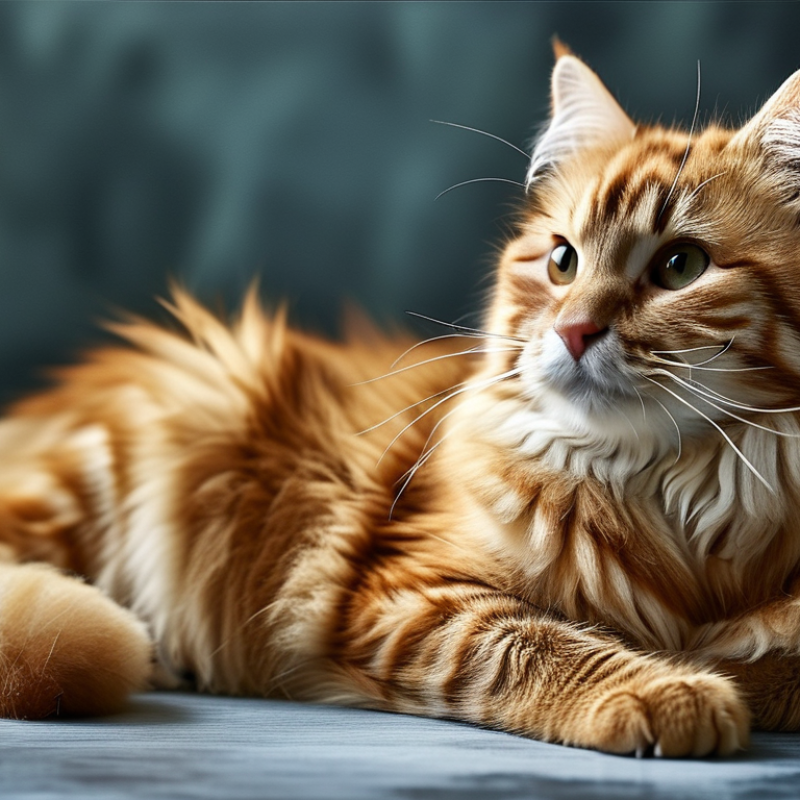
Summer can be a challenging time for our feline friends. Many cat owners consider shaving their cats to help them stay cool. However, understanding the benefits and potential drawbacks is crucial. Studies show that cats can suffer from heat stress, especially in high temperatures. A well-timed shave can help reduce overheating, allowing your cat to enjoy those warm days.
Shaving provides benefits beyond just temperature control. It helps prevent matting, which is more common in summer due to shedding. According to the Journal of Feline Medicine and Surgery, regular grooming reduces the risk of skin infections and improves overall coat health. A neat coat allows for better airflow, promoting comfort. Yet, some cats may not adapt well to shaving. They might feel vulnerable or exhibit stress. It’s essential for pet owners to monitor their reactions closely.
Many cat owners question the necessity of shaving. It’s essential to consider individual needs. Fur serves as protection against sunburn and insect bites. A significant trim might expose sensitive skin to harmful UV rays. It’s crucial to weigh these factors. Consulting with a veterinarian can ensure that you make the most informed decision for your pet's well-being.
Best Tips for Shaving Your Cat in Summer for a Cool Coat?
| Tip | Description | Benefits |
| Choose the Right Time | Shave your cat in the early morning or late evening when temperatures are cooler. | Reduces stress for the cat and makes the process more comfortable. |
| Use Proper Tools | Invest in high-quality clippers and grooming tools designed for pets. | Ensures a clean shave and prevents injury to the cat's skin. |
| Keep the Cat Calm | Practice gentle handling and speak softly to ease their nerves. | Helps to create a positive experience for both the owner and the cat. |
| Avoid Shaving Too Close | Leave about an inch of fur to protect against sunburn. | Maintains skin health and prevents overheating. |
| Post-Shave Care | Apply pet-safe sunblock on exposed areas and monitor for irritation. | Ensures the cat stays safe and comfortable after shaving. |
Choosing the Right Tools for a Safe and Effective Shave
When it’s summer, many cat owners consider shaving their pets for comfort. Choosing the right tools is crucial for a safe experience. Scissors should be blunt-tipped to prevent accidental nicks. Invest in high-quality clippers designed specifically for pets. They should be quiet to reduce stress during the shave.
Before starting, ensure your cat is calm. Hold your feline friend gently but firmly. Use treats to create a positive association with grooming. A slicker brush can remove loose fur before clippings begin. Some cats find being brushed soothing, which can help reduce anxiety.
During the process, pay attention to the temperature of the clippers. If they feel hot, take breaks. Shaving too close can irritate your cat's skin. This is something to reflect on if your cat seems uncomfortable. Ensure a cool, shaded area for grooming. Keeping your feline friend's environment comfortable is as vital as the tools you choose.
Step-by-Step Process for Shaving Your Cat Comfortably
Shaving your cat in summer can provide relief from heat. Cats with thick fur may struggle to stay cool. Regular grooming reduces mats and helps regulate body temperature. Studies show that improper grooming can lead to skin irritations or heat stress, making a careful approach essential.
Before starting, ensure your cat is calm and comfortable. Secure your space to minimize distractions. Use quality clippers suitable for animal fur. According to the American Society for the Prevention of Cruelty to Animals, familiarizing your cat with the clippers before the actual shaving helps reduce anxiety.
Begin with small sections. Start at the back, moving toward the head. Be patient; rushing can cause skin nicks. If your cat seems stressed or restless, take a break. The experience should be positive. Reflect on your technique after each session. Learn from mistakes. Each cat is unique; adjust your methods as needed. Following a careful process makes the summer shaving experience more manageable and enjoyable.
Post-Shave Care: Keeping Your Cat Cool and Healthy
When summer heat waves hit, shaving your cat can help them stay cool. However, post-shave care is crucial to keep your feline friend healthy. After shaving, make sure to keep your cat in a shaded area. Direct sunlight can quickly raise their body temperature. Hydration is also essential. Provide fresh water to keep them cool and comfortable.
Watch for skin irritations after shaving. Cats have sensitive skin that can easily become irritated. Inspect their skin for redness or bumps regularly. If you notice anything unusual, consult a veterinarian promptly. Cats may also feel vulnerable after a shave. Offer them a cozy space to relax, allowing them to adjust to their new look.
Grooming is key during summer. Regular brushing reduces matting and minimizes shedding. This keeps your cat comfortable and helps them maintain a cool, healthy coat. Introduce grooming gradually, especially if your cat shows signs of stress. Always reward them with treats. Building a positive association is crucial for their grooming routine.
Tips for Managing Your Cat's Anxiety During the Shaving Process
Shaving your cat in summer can help keep them cool, but many cats are anxious during the process. Understanding how to manage this anxiety is crucial. According to a study published in the Journal of Feline Medicine and Surgery, over 40% of cats experience significant stress when groomed. This highlights the necessity of a calm environment.
Creating a serene atmosphere makes a difference. Play soothing music and use treats to ease your cat's nerves. Forcing the process can exacerbate their anxiety. Instead, allow your cat to explore the grooming tools at their pace. Familiarity can reduce their fear.
When shaving, keep sessions short. Gradually introduce your cat to the clippers. If they show signs of distress, take a break. Observing their body language is essential. If your cat shows signs of aggression or extreme fear, reassess your approach. The goal is to create a positive experience rather than a stressful one.
Building trust with your cat will take time. Regular brief grooming can help them acclimate. Each positive experience reduces anxiety for future sessions. It's a cycle that benefits both you and your feline friend.