What is Sleep Monitoring Technology and How Does It Work?
Sleep Monitoring Technology plays a crucial role in understanding our sleep patterns. Dr. Alex Harrington, a renowned sleep scientist, states, "This technology transforms how we approach sleep health." As sleep becomes a priority for many, these tools provide valuable insights.
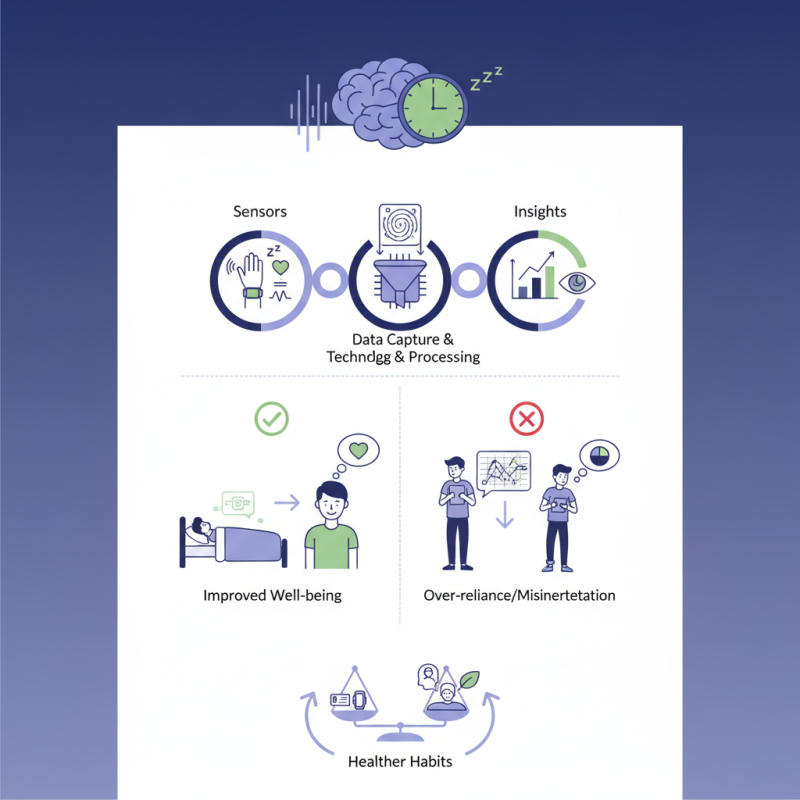
Utilizing sensors and algorithms, Sleep Monitoring Technology tracks sleep stages and quality. It captures data like heart rate and movement. These metrics help individuals grasp their sleeping habits. However, this technology isn’t perfect. Users may misinterpret data or become overly reliant on devices.
Sleep is essential for overall well-being. Monitoring it can promote better health. Yet, the effectiveness of Sleep Monitoring Technology varies among users. It’s important to reflect on how much weight we place on this technology. Balancing the insights from these tools with professional advice can lead to healthier sleep habits.
Overview of Sleep Monitoring Technology and Its Importance
Sleep monitoring technology is increasingly important in our fast-paced world. As more people struggle with sleep-related issues, understanding sleep patterns becomes essential. This technology uses sensors, wearables, and apps to track sleep stages, duration, and quality. By analyzing this data, users can identify factors affecting their sleep.
A common misconception is that sleep monitoring only benefits those with sleep disorders. In reality, anyone can benefit from improved sleep insights. Reliable data can reveal patterns, helping users make informed lifestyle changes. More sleep does not always equate to better rest. For some, quality matters more than quantity.
Yet, the technology is not perfect. It can sometimes misinterpret data, leading to unnecessary anxiety. Users may become overly fixated on numbers rather than focusing on overall well-being. Balancing technology use with mindfulness is crucial. Understanding the pros and cons of this technology empowers individuals to take charge of their sleep health effectively.
Types of Sleep Monitoring Devices and Their Functions
Sleep monitoring technology has evolved significantly, providing various devices to track sleep patterns. These devices can range from wearable gadgets to non-contact systems. They help individuals understand their sleep quality and identify issues.
Wearable sleep monitors, such as fitness trackers, are popular. They often use sensors to measure movement and heart rate. This data helps assess sleep stages. Some wearables provide personalized insights based on users' sleep behaviors. Non-contact devices, like sleep mats or smart beds, analyze breathing patterns and body movement without physical contact. This technology allows for continuous monitoring throughout the night.
Tips: To get accurate results, wear your device consistently. Ensure it fits well and is charged. Maintain a regular sleep schedule for better insights.
Another category includes smartphone apps. Many apps use built-in sensors to monitor sleep sounds and movements. Some provide sleep environment analysis, which can help improve your sleep area. Consider these options if you prefer a less intrusive method.
Tips: Review sleep data regularly to spot patterns. Make adjustments to your sleep environment based on insights. Reflect on changes to your routine to enhance sleep quality.
Sleep Monitoring Technology: Sleep Stages Analysis
This chart illustrates the distribution of time spent across different sleep stages: Awake, Light Sleep, Deep Sleep, and REM Sleep. Effective sleep monitoring technology can help in understanding these patterns for better sleep quality management.
How Sleep Monitoring Technology Collects and Analyzes Data
Sleep monitoring technology involves various devices and sensors that track sleep patterns. These tools collect data on different factors like movement, heart rate, and sleep stages. By using accelerometers and heart rate monitors, they can detect when a person is asleep and analyze the quality of their sleep.
The data collected is then processed using algorithms that create a comprehensive picture of sleep health. For instance, sleep cycles are analyzed to determine deep sleep versus light sleep. This analysis can reveal insights into sleep disorders or disturbances. However, the effectiveness of this technology varies. It may not capture every nuance of sleep behavior, leading to potential misinterpretation of results.
Users should reflect on how they interpret this data. While insights can be valuable, over-reliance on technology might overshadow personal experiences and natural sleep patterns. It’s vital to remember that sleep is complex, and technology should complement, not replace, self-awareness and professional advice. Balancing insights from technology and intuitive understanding can lead to better sleep health.
Benefits and Limitations of Sleep Monitoring Technology
Sleep monitoring technology has gained popularity for its potential to improve sleep quality. Studies show that about 33% of adults experience sleep issues. These technologies, including wearable devices and mobile apps, track sleep patterns. They gather data on heart rate, body movements, and even breathing patterns. This information helps users understand their sleep cycles.
One key benefit is personalized feedback. Analysis of sleep data can lead to better sleep habits. For example, a report by the National Sleep Foundation indicates that 77% of users found useful insights that improved their sleep quality. Users can identify trends and make changes like adjusting sleep environments. This knowledge can significantly enhance well-being.
However, there are limitations. Devices may not always be accurate. Factors like comfort and battery life can impact data collection. A study published in the Journal of Clinical Sleep Medicine revealed that 20% of sleep monitoring devices lacked clinical validation. Users should remain cautious and avoid over-reliance on technology. Sleep tracking should complement professional advice rather than replace it. Balancing technology use with expert guidance is essential for optimal sleep health.
What is Sleep Monitoring Technology and How Does It Work? - Benefits and Limitations of Sleep Monitoring Technology
| Technology Type | How It Works | Benefits | Limitations |
| Wearable Devices | Track movement and heart rate through sensors. | Convenient, real-time data tracking, health insights. | Accuracy can vary, may not track all sleep stages. |
| Bed Sensors | Monitor movement and breathing patterns under the mattress. | Non-intrusive, detailed analysis of sleep cycles. | Can be expensive, may require special bedding. |
| Smartphones Apps | Use the phone’s accelerometer and microphone to track sleep. | Easily available, encourages sleep hygiene. | Battery-dependent, may not be as thorough. |
| Polysomnography | Records brain waves, oxygen levels, heart rate during sleep. | Highly accurate, comprehensive sleep study. | Requires overnight stay in a sleep lab, cost-prohibitive. |
Future Trends in Sleep Monitoring and Innovation
The landscape of sleep monitoring technology is rapidly evolving. With the rise of wearable devices and smart home systems, people are gaining insights into their sleep patterns. According to a report by the Sleep Research Society, nearly 30% of adults struggle with sleep issues. This rise in sleep disorders creates a significant demand for advanced monitoring solutions.
Emerging innovations emphasize the integration of artificial intelligence. AI can analyze sleep data more effectively and suggest personalized improvements. For instance, smart mattresses are now embedded with sensors that provide real-time feedback on sleep quality. These technologies often rely on biometric data, enabling users to understand more about their sleep cycles. However, challenges remain in ensuring user privacy and data security.
Another notable trend is the expansion of sleep analysis into the realm of mental health. Sleep monitoring is increasingly linked to stress and anxiety management. A study indicated that individuals using sleep analytics reported a better understanding of their emotional wellbeing. Embracing sleep monitoring could lead to innovative approaches to both physical and mental health care. The connection between sleep, health, and technology will likely deepen in the coming years.