Why Choose Red Light Phototherapy for Skin Health Benefits?
Red Light Phototherapy has gained significant attention for its remarkable benefits for skin health. This innovative treatment uses specific wavelengths of light to stimulate skin cells. Many individuals are turning to this therapy as a natural alternative to chemical treatments. The allure lies in its ability to promote healing, reduce inflammation, and enhance skin appearance without invasive procedures.
Numerous studies support the efficacy of Red Light Phototherapy. Research shows it can improve conditions like acne, wrinkles, and scars. Patients report visible results after just a few sessions. However, it's essential to approach this treatment with realistic expectations. Not everyone may experience the same results. Individual skin types and conditions can influence efficacy. Consulting a professional before starting is advisable.
While Red Light Phototherapy offers promising benefits, ongoing research is necessary. Understanding the mechanisms behind its effectiveness can lead to refined techniques. As with any treatment, it’s crucial to remain informed about advancements in the field. This ensures you make educated choices for your skin health journey.
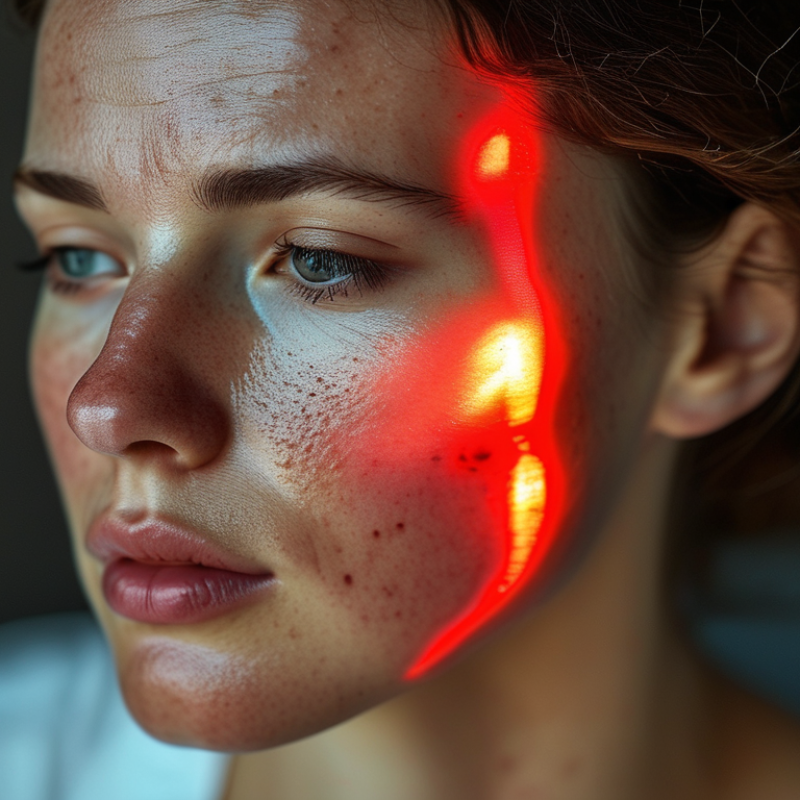
Understanding Red Light Phototherapy: Basics and Mechanisms
Red light phototherapy is gaining attention in the skin health community. It utilizes specific wavelengths of light to stimulate cellular processes. This therapy effectively promotes healing and reduces inflammation. One key mechanism involves the activation of mitochondria in skin cells.
When exposed to red light, mitochondria produce more adenosine triphosphate (ATP). This increase in ATP fuels cellular repair and regeneration. Studies suggest it helps in collagen production as well. Collagen is essential for maintaining skin's elasticity and firmness. Users may notice reduced fine lines and enhanced skin tone. However, not every individual responds the same way.
Despite its benefits, red light therapy isn’t a one-size-fits-all solution. Some users report minimal effects, raising questions about treatment protocols. Individual skin types and conditions may influence outcomes. Therefore, people should consider personal experiences and conduct thorough research before starting. Balancing expectations with realistic outcomes remains important in evaluating this therapy’s effectiveness for skin health.
Key Skin Health Benefits of Red Light Therapy Explained
Red light therapy is gaining popularity for its skin health benefits. This method uses low-level wavelengths of light. Many users report improvements in skin texture and tone. Some have seen a reduction in wrinkles and fine lines. The therapy stimulates collagen production, essential for youthful skin.
Inflammation is common in various skin conditions. Red light therapy can help reduce this inflammation. Studies suggest it promotes healing in acne and psoriasis. Users often comment on the soothing sensation during treatment. Yet, results can vary from person to person.
Additionally, while many experience positive effects, not everyone sees results immediately. Patience is necessary for the best outcome. It's crucial to consult with a qualified professional before starting any new treatment. This ensures the therapy is suitable for your skin type and concerns.
Scientific Evidence Supporting Red Light Therapy for Skin Health
Red light therapy (RLT) has gained recognition for its skin health benefits, supported by robust scientific evidence. According to a study published in the Journal of Clinical and Aesthetic Dermatology, RLT can significantly improve skin texture and reduce wrinkles. The research indicates that participants experienced a 20% improvement in skin elasticity after regular RLT sessions over eight weeks. This evidence underscores its potential to rejuvenate the skin.
Another comprehensive review in the journal Photomedicine and Laser Surgery highlighted RLT's effectiveness in promoting wound healing. This review synthesizes data from 18 clinical trials, concluding that RLT accelerates healing time by up to 70% for skin wounds. The therapy stimulates cellular processes, enhancing collagen production and improving circulation. Yet, individual responses may vary based on skin type and treatment frequency.
Despite the promising findings, some skepticism remains. Not every individual experiences significant improvements with RLT, highlighting the need for personalized treatment plans. Factors such as skin condition, age, and overall health also play crucial roles. Some patients may not observe immediate results, questioning the therapy's efficacy. Thus, further research is crucial to understand the optimal parameters for different skin types and conditions.
Why Choose Red Light Phototherapy for Skin Health Benefits?
| Benefit | Scientific Evidence | Mechanism |
| Improved Skin Tone | Studies show significant enhancement in skin color and texture. | Stimulates collagen production and increases blood circulation. |
| Reduction in Wrinkles | Clinical trials indicate a 20% reduction in fine lines after consistent use. | Promotes elastin and collagen remodelation. |
| Acne Treatment | Research has shown a decrease in acne lesions by up to 30%. | Reduces inflammation and promotes healing. |
| Scar Healing | Evidence supports accelerated healing of scars. | Increases fibroblast activity leading to better wound repair. |
| Enhanced Skin Hydration | Studies found improvements in skin hydration levels. | Stimulates aquaporin channels which aid in moisture retention. |
Comparing Red Light Therapy with Other Skin Treatments
Red light therapy (RLT) is gaining traction as a leading treatment for various skin conditions, particularly when compared to traditional options. Clinical studies show that RLT can enhance collagen production, improve skin tone, and reduce wrinkles. According to a report by the American Journal of Photomedicine, over 70% of participants reported visible improvements in skin texture after consistent use of RLT. This therapy uses specific wavelengths of light that penetrate the skin, stimulating cellular repair and regeneration.
In contrast, treatments like chemical peels and microdermabrasion can often lead to irritation and downtime. These invasive methods tend to strip the skin of both toxins and natural oils, which may worsen conditions like acne for some. A clinical review published in the Journal of Clinical Aesthetic Dermatology noted that many patients require extended recovery periods from these treatments. Red light therapy, on the other hand, offers a non-invasive alternative that can be used without significant side effects.
However, RLT is not a panacea. While many users report positive outcomes, some may find minimal results. This variability could arise from differences in skin type, underlying conditions, or treatment frequency. More research is still needed to refine protocols and ensure consistent efficacy across diverse populations. It's essential for individuals to consult with skin health professionals to determine the best approach for their unique needs.
Benefits of Various Skin Treatments
Practical Tips for Using Red Light Therapy at Home
Red light therapy has gained popularity for its skin health benefits. If you're considering trying it at home, there are some practical tips to keep in mind. First, ensure that the device you choose emits the proper wavelengths. Look for devices that provide red light in the range of 600 to 650 nanometers and near-infrared light around 800 to 850 nanometers. This range is most effective for boosting collagen production and reducing inflammation.
When using red light therapy, consistency is key. Aim for sessions of 10 to 20 minutes, multiple times a week. Make sure to cleanse your skin thoroughly before treatment. This helps the light penetrate better. Position the device about six to twelve inches away from your skin. Remember, less is often more. Overusing the therapy can lead to irritation.
While red light therapy has many benefits, it may not work the same for everyone. Some users might see quick results, while others may need more time. Keep track of your skin's response. Adjust the frequency or duration based on your comfort. This self-reflection can foster a more personalized approach to your skincare regimen.