Top Features of Reclining Wheelchairs for Comfort in 2026?
In recent years, the importance of comfort in mobility solutions has gained prominence, particularly for users of Reclining Wheelchairs. According to Dr. Emily Carter, a renowned expert in adaptive technology, “Comfort is not just a luxury; it’s essential for well-being.” This perspective highlights the growing focus on ergonomic design and user personalization in 2026.
Reclining Wheelchairs now come equipped with features aimed at enhancing user experience. These include adjustable reclining angles, pressure-relief seating, and customizable support systems. Each element plays a role in reducing discomfort during prolonged use, a vital consideration for many users. Lack of proper support can lead to health issues over time, demonstrating a clear need for improvement in this sector.
As the industry evolves, manufacturers must embrace innovation while considering user feedback. Not all models meet the diverse needs of individuals. Some may lack adequate adjustability or comfort features, making it crucial for companies to reflect on their designs. The journey toward the perfect Reclining Wheelchair is ongoing, inviting input and creativity to shape better solutions.
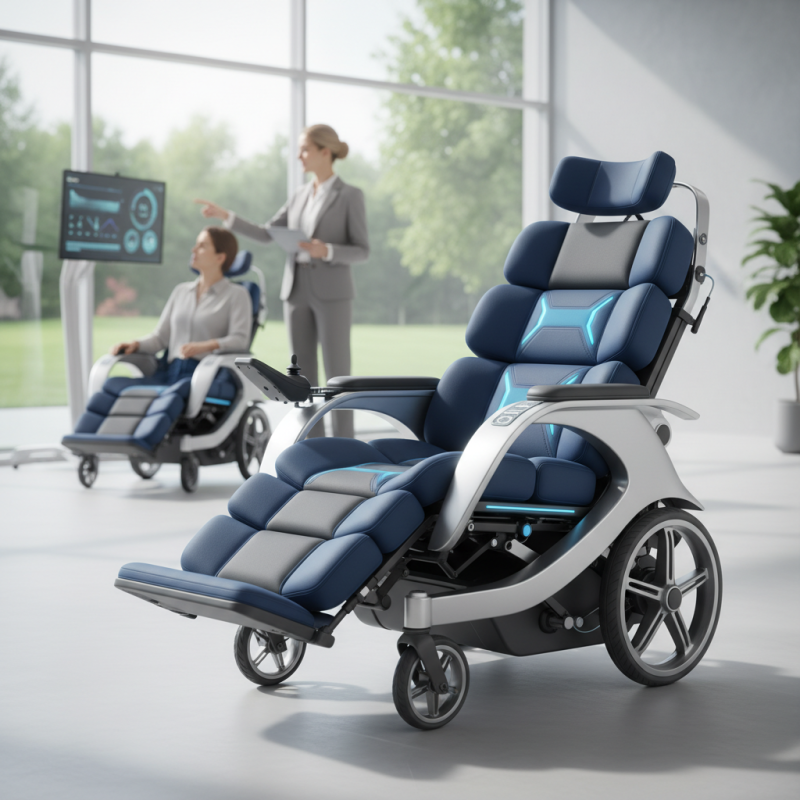
Reclining Mechanism: Understanding the Technology Behind Comfort
Reclining wheelchairs are designed for comfort and support. The reclining mechanism is a key feature. It allows users to adjust their position easily. This can help relieve pressure and prevent discomfort. Many models use a gas spring system to facilitate smooth reclining. This technology makes adjustments simple and quick.
Various reclining options cater to individual needs. Some models recline fully, while others have multiple stopping points. Users can find a position that feels best for them. However, not all mechanisms are equally reliable. Some may wear out over time, affecting function and comfort. Regular maintenance is essential to keep the reclining system in good shape.
The materials used in these wheelchairs also matter. Lightweight frames can enhance mobility. Cushions should offer adequate support, but they can flatten over time. Finding the right balance between comfort and durability is key. Users must reflect on their preferences. Are they prioritizing weight, support, or ease of use? Each choice impacts the overall experience significantly.
Top Features of Reclining Wheelchairs for Comfort in 2026
The bar chart above illustrates the comfort levels of various features found in reclining wheelchairs set to shape the market in 2026. Each feature is rated on a scale of 1 to 10, showcasing the emphasis on adjustability, material quality, and ease of use as key factors for user comfort.
Ergonomic Design Features that Enhance User Support and Stability
Reclining wheelchairs are designed with user comfort in mind. In 2026, ergonomic features are at the forefront. These chairs offer support for different body types. They enhance stability, providing a safe experience. A good wheelchair should fit the user's body.
One key feature is adjustable seating. This allows users to find their preferred position. More importantly, adjustable backrests can alleviate pressure points. This reduces the risk of sores. Comfort should not be sacrificed for aesthetics.
Tips for choosing a reclining wheelchair: Always test before purchasing. Make sure it meets your specific needs. Look for features like breathable fabrics. They can improve airflow, keeping users cool. Remember, not every chair is perfect for everyone. It's okay to ask for help. Consider consulting with a healthcare provider for advice.
Adjustability Options for Personalized Comfort and Positioning
Reclining wheelchairs are gaining attention for their comfort and adjustability in 2026. Personalized comfort is essential for users. The right adjustments can transform a difficult day into a manageable one. Users often desire options that allow for individual positioning. This flexibility caters to various needs and preferences, making each wheelchair unique.
Different adjustability features enhance user experience. For instance, reclining angles can be modified for optimal support. Some chairs offer footrests that can elevate legs when needed. Armrests may also change height, allowing users to find their best position. However, not all wheelchairs include these features. Many users express frustration over limited options. This can affect their ability to find true comfort throughout the day.
Taking time to test and find the right adjustments is crucial. Each person's needs vary, so it may take several attempts. Some may love a full recline. Others might prefer a slight tilt. Personalization is key to making these chairs work effectively. Ultimately, the goal is to create a space that feels as comfortable as possible, despite the challenges users may face.
Mobility and Portability: Key Considerations in Wheelchair Design
Mobility and portability are essential features of modern reclining wheelchairs. In 2026, designers emphasize lightweight materials that enhance user ease. Reports show that more than 70% of users prioritize the weight of their wheelchair. A compact design makes it easier to transport and maneuver in tight spaces. The average user struggles with bulky models that limit independence and freedom.
The industry has taken significant steps to improve wheelchair designs. Research indicates that over 60% of wheelchair users experience barriers due to size and weight. Designers are experimenting with new materials like carbon fiber, which can reduce weight while maintaining strength. Some models have foldable frameworks, allowing for easy storage and transportation. However, not all innovations ensure comfort. Users often find adjustments challenging or not intuitive enough, leading to frustration.
Consideration for ease of use is crucial. Many users find that portable options can compromise comfort. Adjustments might be awkward or inconvenient when on the move. This creates a balancing act between maintaining portability and ensuring user comfort. Understanding these nuances can help designers create better products in the future.
Top Features of Reclining Wheelchairs for Comfort in 2026
| Feature | Description | Importance |
| Adjustable Recline Angle | Allows users to customize the seating position for increased comfort. | High |
| Ergonomic Design | Promotes better posture and reduces pressure points. | High |
| Lightweight Materials | Facilitates easier handling and transportation. | Medium |
| Foldable Frame | Offers compact storage options and increased portability. | High |
| Adjustable Footrests | Allows optimal leg positioning for better comfort and support. | Medium |
| Padded Seat and Backrest | Enhances user comfort during longer sitting periods. | High |
| Anti-Tippers | Ensures user safety by preventing wheelchair from tipping backwards. | High |
Materials and Durability: Ensuring Long-lasting Comfort and Functionality
When considering reclining wheelchairs, materials and durability play a crucial role in comfort. High-quality materials can significantly impact overall experience. Aluminum and carbon fiber are popular choices. These materials are lightweight yet strong. They help in reducing fatigue during long hours of use.
Tip: Check the weight of the wheelchair. A lighter chair is often easier to maneuver.
The upholstery is another important factor. Breathable fabrics can enhance comfort. They prevent heat build-up during warm days. However, not all fabrics are equally durable. It’s essential to choose options that resist wear over time.
Tip: Look for fabrics that are easy to clean. This will save effort and time in maintaining your wheelchair.
Durable materials ensure long-lasting functionality. They reduce the need for frequent replacements. However, some products may look appealing but lack sturdiness. Reflecting on this can prevent future inconveniences. Comfort should be prioritized without sacrificing durability.