Why Are Surgical Instruments Essential for Successful Surgeries?
Surgical Instruments play a pivotal role in any surgical procedure. They are the tools that enable surgeons to perform complex tasks with precision. Without the right instruments, surgeries can face significant challenges. Each surgical tool has a specific purpose, from cutting to suturing.
The effectiveness of a surgical procedure often hinges on the instruments used. Poor-quality tools can lead to complications. For example, a dull scalpel may result in excessive bleeding. This makes it vital to ensure all instruments are properly sterilized and maintained. Surgeons must remain aware of the limitations and potential failures of their instruments.
The intricacy of human anatomy demands the highest standards in surgical tools. Even a minor oversight can have serious consequences. This reality emphasizes the need for continual assessment of surgical instrument quality. Investing in reliable instruments enhances patient outcomes and safety during surgeries.
The Role of Surgical Instruments in Modern Medicine
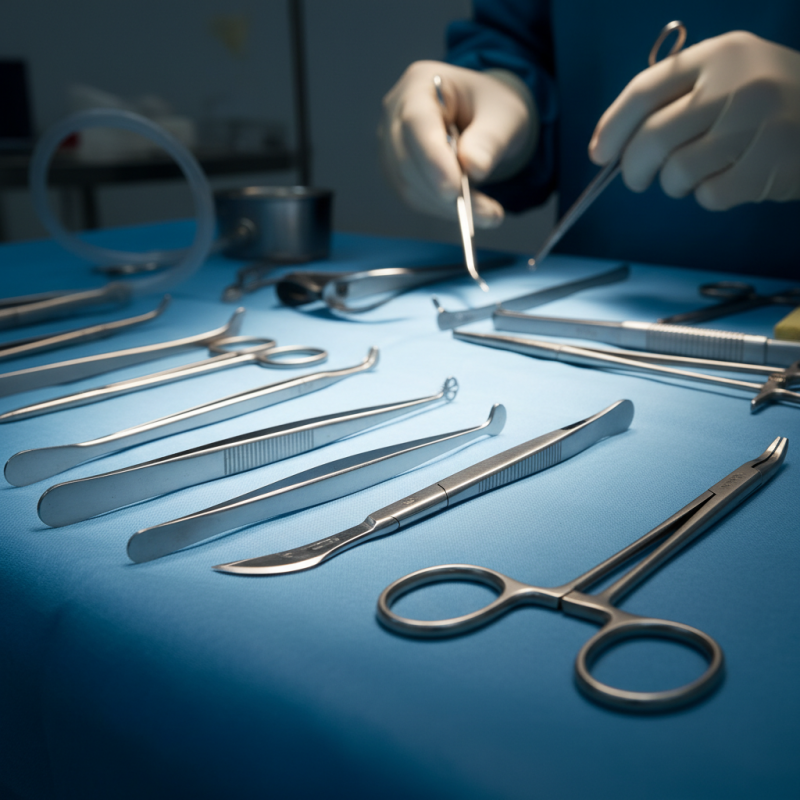
Surgical instruments play a crucial role in modern medicine. They are the unsung heroes of successful surgeries. Each tool serves a specific function. From scalpels to forceps, they enable surgeons to perform intricate procedures. Without these instruments, achieving precision would be nearly impossible.
When choosing surgical instruments, it's essential to consider quality and functionality. Tips: Always inspect the tools before use. Look for any signs of wear or damage. Such flaws could jeopardize the surgery's outcome. Also, familiarize yourself with the instruments you plan to use. Knowing how each tool works can enhance your efficiency during surgery.
In the operating room, even the best instruments can face challenges. Sometimes, a tool might not perform as expected. This can lead to delays or complications. Reflecting on past surgeries can help improve future outcomes. Assess what went right or wrong. Did an instrument fail? Understanding these situations is vital for growth.
Why Are Surgical Instruments Essential for Successful Surgeries? - The Role of Surgical Instruments in Modern Medicine
| Instrument Type | Function | Material | Common Use Cases |
| Scalpel | Cutting tissue | High-carbon steel | Incisions during surgery |
| Scissors | Cutting and dissecting | Stainless steel | Tissue manipulation |
| Forceps | Grasping tissue | Stainless steel or other alloys | Holding and positioning |
| Hemostats | Clamping blood vessels | Stainless steel | Preventing blood loss |
| Needle Holder | Holding needles | Stainless steel | Suturing wounds |
| Electrocautery | Cutting and coagulating | Metal and insulated materials | Reducing bleeding |
Types of Surgical Instruments and Their Functions
Surgical instruments play a vital role in the success of any surgical procedure. Understanding the various types and their functions can improve surgical outcomes. Surgical tools are categorized based on their use. For instance, cutting instruments include scalpels, scissors, and bone saws. These tools allow surgeons to make precise incisions. According to a report by the Global Surgical Instruments Market, the demand for these instruments continues to rise, emphasizing their importance in healthcare.
Grasping instruments, such as forceps and clamps, help surgeons hold tissue securely. They reduce movement during operations, which is crucial for accuracy. Recent studies indicate that improper use of these instruments can lead to complications. Therefore, training medical staff is essential to minimize errors.
The same market report suggests that the surgical instruments segment accounts for over 40% of the surgical procedure market. This highlights their critical role in ensuring patient safety.
Instruments for suturing, like needles and sutures, are equally important. They help close wounds effectively. The wrong choice of suturing technique can lead to infections or delayed healing. This underscores the necessity for ongoing education in surgical practices. The industry must continue to support innovations in instrument design and functionality to ensure safety and success rates.
The Impact of High-Quality Instruments on Surgical Outcomes
In the realm of surgery, the quality of instruments significantly impacts patient outcomes. According to a report by Surgical Innovations, high-quality tools can reduce surgical errors by up to 30%. This statistic underscores the need for precision instruments during operations. Surgeons rely on these tools to achieve greater accuracy and efficiency. Poor quality instruments can compromise results, leading to longer recovery times, increased complications, and higher healthcare costs.
Moreover, data from the Journal of Healthcare Engineering suggests that investing in top-grade surgical instruments can enhance overall surgical performance. Hospitals that prioritize quality see fewer post-operative infections. The risk of unplanned reoperations decreases as well. However, the reality is that budget constraints often lead to the use of subpar equipment. This not only challenges the surgical team but also raises critical questions about patient safety.
Ultimately, the impact of surgical instruments extends beyond the operating room. The outcomes heavily rely on the tools available. As the industry evolves, a consistent focus on instrument quality is essential. The potential benefits are substantial, yet the pursuit of excellence remains a work in progress. Balancing cost and quality is a challenge that must not be overlooked.
Training and Expertise Required for Proper Instrument Use
Training and expertise play a vital role in the proper use of surgical instruments. Surgeons and their teams must undergo extensive education. According to a report by the American College of Surgeons, 90% of surgical errors are linked to inadequate training. This highlights the need for a robust educational framework.
In surgical settings, instruments can vary widely, from scalpels to forceps. Each tool has specific functions and requires different handling techniques. Even minor mistakes can have significant consequences. A study revealed that 30% of surgical complications stem from improper instrument use. These figures reflect the pressing need for hands-on training.
Rigorous simulation exercises can enhance skills. However, many programs still lack sufficient practical training hours. As a result, the gap between theory and practice persists. Surgeons often rely on experience gained during procedures. This situation creates a cycle of risk and uncertainty. Reflection on existing training methods is essential to ensure patient safety and improve outcomes.
Innovations in Surgical Instrument Technology and Their Benefits
Surgical instruments play a pivotal role in the success of medical procedures. Innovations in surgical instrument technology have greatly enhanced precision and effectiveness. For instance, advancements in robotic surgical tools allow for minimally invasive procedures. This often leads to shorter recovery times and less scarring. Surgeons can now operate with enhanced visualization and dexterity, transforming traditional methods.
Tip: Always ensure your instruments are up to date. Regularly check for wear and tear. Using outdated tools can affect performance and patient safety.
Moreover, new materials are being utilized to create lightweight, durable instruments. Innovative coatings and designs help prevent infections. Yet, not every innovation might be suitable for every surgery. It's crucial to evaluate the context and purpose of each instrument carefully.
Tip: Collaborate with your team before the surgery. Discuss the best tools for the procedure. Sharing insights aids in making the right choices.