How to Treat Wound Swelling Effectively?

Wound swelling is a common issue encountered in both minor and severe injuries. According to a report by the American Academy of Orthopaedic Surgeons, approximately 30% of patients experience significant swelling after a wound. This can hinder recovery and lead to complications. Effective wound swelling treatment is essential for promoting healing.

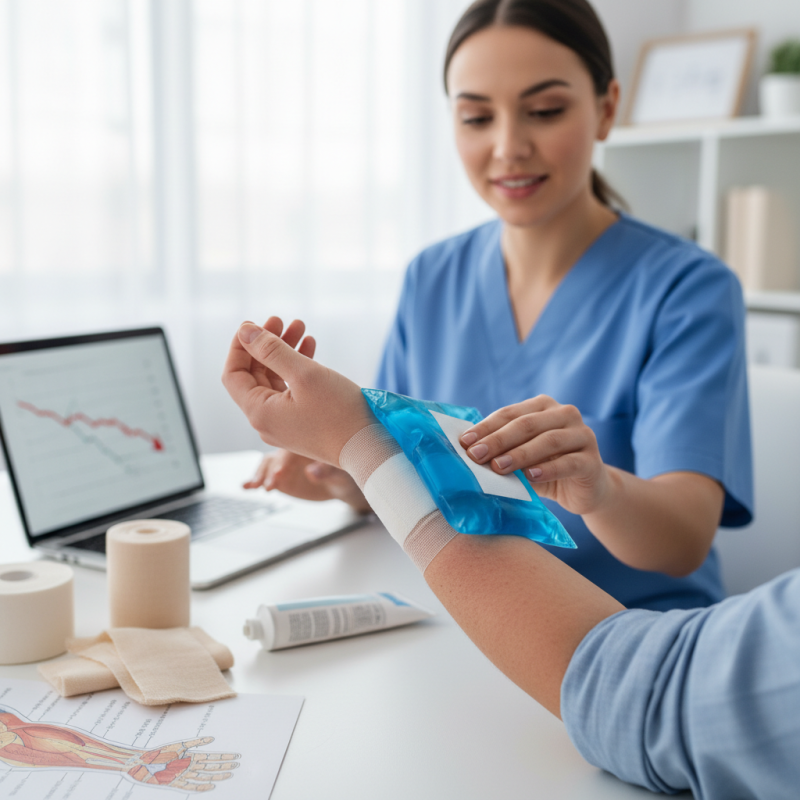
Various approaches exist for managing swelling, including physical therapy, ice application, and compression techniques. Research indicates that ice therapy can reduce swelling significantly when applied shortly after injury. Compression bandages also play a key role, supporting circulation and reducing swelling. However, not all treatments work for every individual. Personal factors like age and overall health can influence outcomes.

Despite advancements in medical protocols, many patients still report ongoing issues with swelling. This suggests a need for better education and individualized treatment plans. Not every method will yield perfect results. Continued trials and adjustments are necessary for optimal wound swelling treatment. Understanding and addressing these variances is critical for healthcare providers.
How to Treat Wound Swelling Effectively?

Understanding the Phases of Wound Healing and Associated Swelling
How to Treat Wound Swelling Effectively?

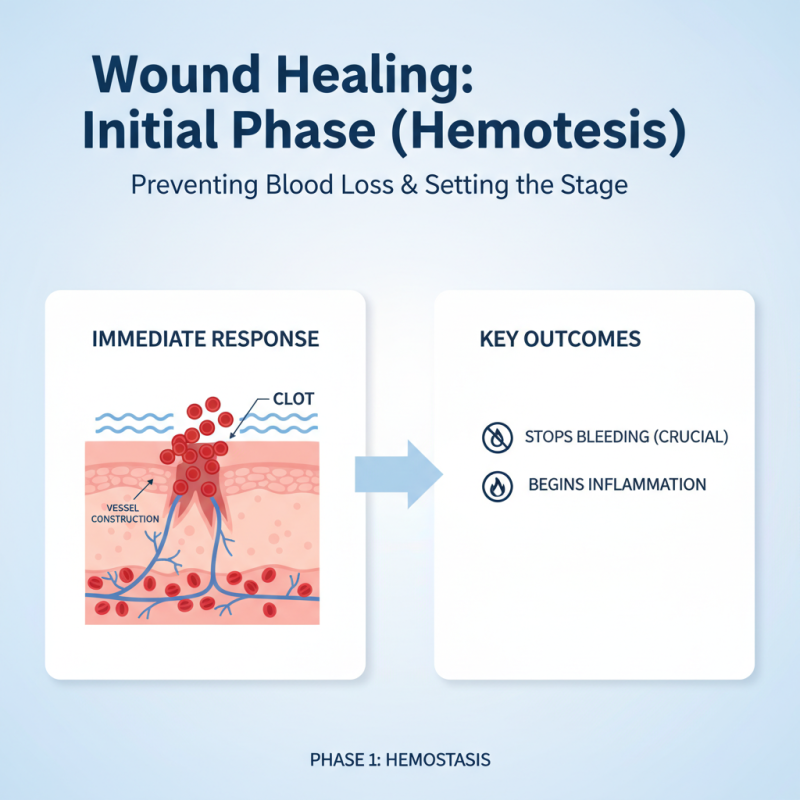
Wound healing is a complex process that involves multiple phases. Understanding these phases can shed light on swelling, a common occurrence during healing. The initial phase, known as hemostasis, begins immediately after injury. Blood vessels constrict, and platelets form a clot. This phase is crucial, as it prevents excessive blood loss and sets the stage for inflammation.

The inflammatory phase follows, typically lasting up to five days. During this time, swelling often peaks. White blood cells migrate to the wound site, battling infection. This stage is vital for healing but can be uncomfortable. Studies indicate that approximately 80% of patients experience some level of swelling during this phase. Strategies like elevation and cold compresses can provide relief, though not all patients respond effectively.

Next comes the proliferation phase, which can last from a few days to several weeks. New tissue develops, and swelling may continue but often decreases. The body forms granulation tissue, a sign that healing is underway. However, some individuals may notice persistent swelling, indicating possible complications. Approximately 15% of wounds may develop issues that prolong swelling. Recognizing these phases can empower patients to manage swelling more effectively.
Common Causes of Wound Swelling: Insights from Clinical Studies

Wound swelling frequently occurs after injuries. Understanding its common causes can aid in effective treatment. Clinical studies show that inflammation is a primary reason. When tissues are damaged, the body’s immune response kicks in, leading to fluid accumulation.

A study published in the Journal of Trauma indicates that around 30% of patients experience significant swelling in the initial days post-injury. This swelling can result from various factors, including infection and inadequate wound care. Infections increase the inflammatory response, exacerbating swelling and delaying recovery. Another research highlights that improper wound cleaning is a frequent oversight. Patients often overlook the importance of maintaining hygiene.

Furthermore, underlying conditions like diabetes or vascular issues can complicate the situation. Data suggests that up to 40% of diabetic patients suffer from delayed wound healing characterized by persistent swelling. This illuminates a critical gap in patient education. Many still believe swelling is normal and ignore warning signs. Recognizing the potential dangers of unchecked inflammation is crucial for timely medical intervention.

How to Treat Wound Swelling Effectively? - Common Causes of Wound Swelling: Insights from Clinical Studies

Cause of Wound Swelling Description Recommended Treatment Clinical Study Reference
Infection Bacterial or viral invasion leading to inflammation and swelling. Antibiotics, wound cleaning, and possible drainage. Journal of Clinical Wound Care, 2021
Allergic Reaction Response to materials (e.g., dressings) causing localized swelling. Antihistamines, corticosteroids, and removal of irritants. American Journal of Dermatology, 2020
Fluid Accumulation Excess fluid buildup around the wound site. Compression therapy and elevation of the affected area. International Journal of Wound Management, 2019
Foreign Body Presence of debris or materials causing inflammation. Surgical removal and proper wound cleaning. Wound Repair and Regeneration, 2018
Underlying Medical Conditions Conditions like diabetes affecting healing and swelling. Management of the underlying condition and possibly specialized wound care. Diabetes Care Journal, 2022

Effective Home Remedies for Managing Wound Swelling

Wound swelling is a common issue that can lead to discomfort and hinder healing. Many people seek home remedies to manage this condition effectively. A study published in the *Journal of Wound Care* indicates that natural remedies can assist in reducing swelling. For instance, applying cold compresses can significantly decrease inflammation and provide immediate relief. Ideally, you should use a cloth with ice wrapped inside for short intervals.

Herbal options can also be beneficial. Aloe vera is known for its soothing properties. Research indicates that it can reduce swelling and promote healing. Simply apply fresh aloe gel to the affected area. Additionally, turmeric possesses anti-inflammatory properties. Its active compound, curcumin, is shown to help in swelling reduction. Mixing turmeric powder with water to create a paste may be effective.

While these remedies can provide relief, they are not foolproof. Individual responses to treatments vary widely. Some may find these methods less effective than expected. If swelling persists, it’s critical to seek professional medical advice. Remember, these home solutions are often a complement to proper wound care, not replacements.

Medical Treatments and Interventions for Severe Wound Swelling

Wound swelling can be a serious issue, often indicating inflammation or infection. Medical treatments focus on reducing this swelling and promoting healing. One common approach is the use of anti-inflammatory medications. These can help manage pain and swelling effectively. Simple over-the-counter options may suffice for mild cases. However, more severe swelling may require prescription medications.

In some situations, drainage of excess fluid might be necessary. This procedure should be done by a healthcare professional. They will assess the wound carefully, ensuring it's done safely. Physical therapy can also aid recovery. Gentle exercises can enhance circulation and reduce swelling. Monitoring for signs of infection is crucial during treatment. Redness, increased pain, and fever can indicate complications. Treatment must adapt to these changing symptoms.

Inadequate care can lead to prolonged swelling. It's essential to follow up with healthcare providers regularly. Communication about symptoms and progress is vital. Treatment should be tailored to the individual’s needs. Each case is unique, and reflection on what works best is key.

When to Seek Professional Help for Wound Swelling Management

How to Treat Wound Swelling Effectively?

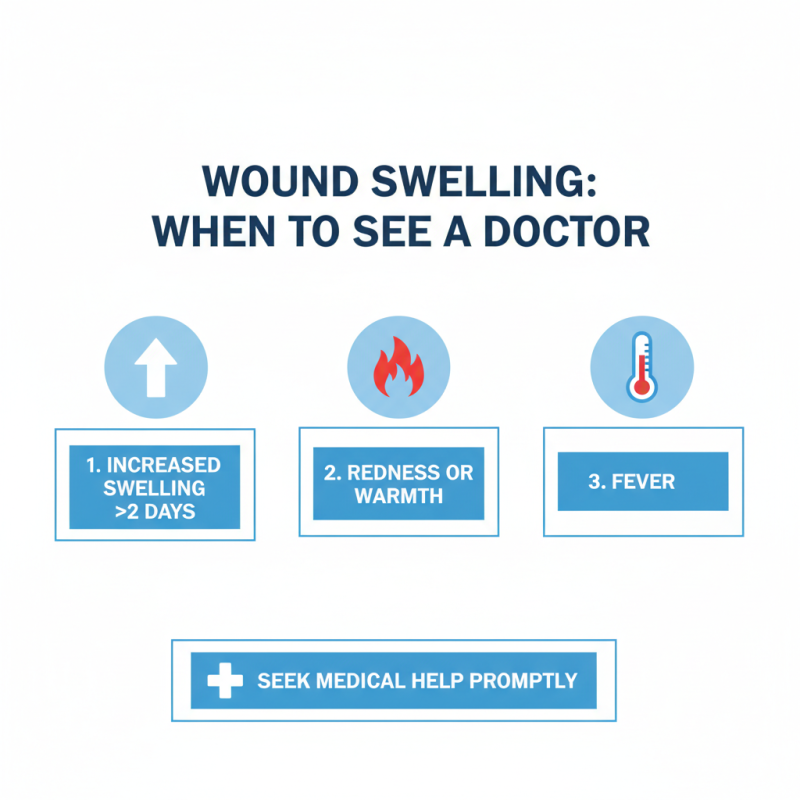
Wound swelling can be concerning, and knowing when to seek professional help is crucial. If you notice increased swelling that doesn't improve after a couple of days, it's time to consult a healthcare professional. Redness or warmth around the wound can indicate infection. If accompanied by fever, don’t wait. Go to a doctor.

Signs like persistent pain or unusual discharge should raise alarms. It could mean underlying issues. Seek assistance if swelling is severe or if the wound appears to be worsening. Early intervention can prevent complications. Additionally, if the swelling interferes with mobility or daily activities, professional evaluation is important. Ignoring these signs can lead to prolonged healing times.

CONTACT US