How to Conduct an Effective Animal Study for Research?
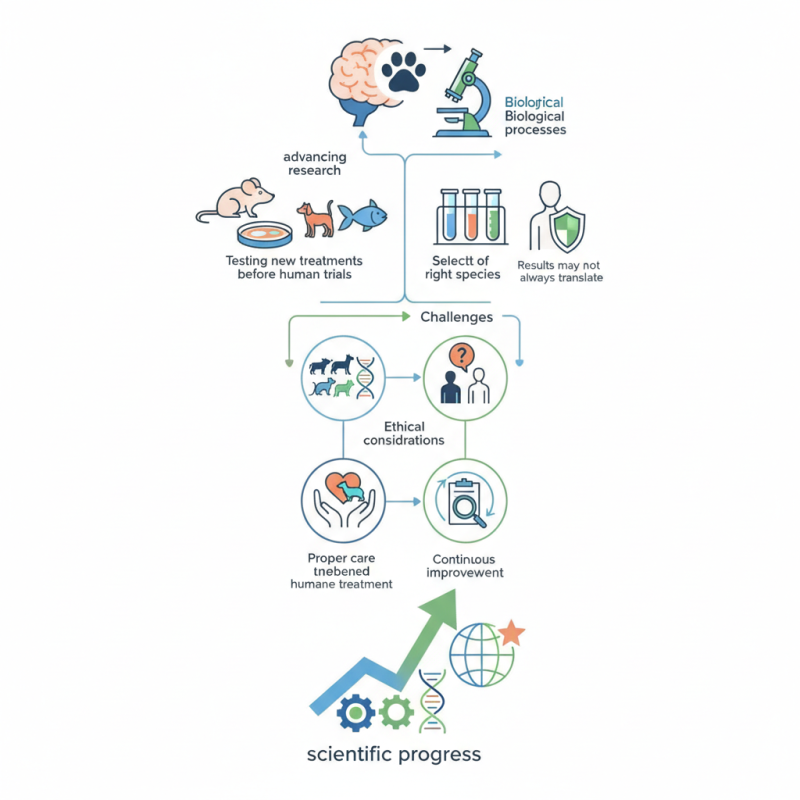
Conducting an effective Animal study is crucial for advancing research. These studies provide insights into complex biological processes. They also help to test new treatments before human trials.
When planning an animal study, there are various factors to consider. Selecting the right species is essential. Researchers must understand the biology and behavior of chosen animals. Ethical considerations cannot be ignored. Proper care and humane treatment should be a priority.
Challenges often arise during these studies. Results may not always translate well to humans. Researchers must reflect on their methodologies and outcomes. Continuous improvement in designing animal studies will benefit scientific progress.
Understanding the Purpose and Importance of Animal Studies
Animal studies play a crucial role in medical and scientific advancements. Researchers often rely on these studies to better understand complex biological systems. These studies help predict human responses to treatments, ensuring safety and efficacy. Without this valuable information, developing new drugs would be much more challenging.
When conducting an animal study, consider the ethical implications. It's essential to ensure that the benefits outweigh any potential harm to the animals involved. Collaboration with veterinarians can enhance the welfare of the animals. Seeking alternative methods should also be a priority whenever possible.
Tips: Always document the rationale for using animal models. This ensures transparency and accountability. Engage in discussions about ethical standards within your research team. Consistent reflection on these practices can improve future study designs, leading to more humane and effective research outcomes. Remember, it's a responsibility that requires constant evaluation.
Selecting the Appropriate Animal Models for Your Research
Selecting the right animal models is vital for research success. Each research question demands a unique approach. For instance, rodents often serve well for genetic studies. They replicate many human disease processes. Yet, their physiology may differ from larger mammals. Such disparities can skew results.
Consideration of the research's objectives is key. For drug testing, dogs or primates may offer better insights. Their responses to treatments can parallel human reactions. However, ethical implications arise. Balancing scientific benefits and animal welfare requires careful thought.
Investigators must also reflect on model limitations. Not all results in animals translate to humans. Previous studies may contain gaps. Knowing these can refine your approach. It might lead to discovering more suitable models. A thorough literature review and expert consultation can guide this selection. Always remember, the goal is to enhance both knowledge and ethics in research.
Establishing Ethical Guidelines and Protocols for Animal Use
Establishing ethical guidelines is crucial for conducting animal studies. These guidelines ensure that the welfare of animals is prioritized. According to a report by the National Institutes of Health, 90% of researchers believe it is essential to adhere to ethical practices in animal research. These practices can improve the reliability of results.
Research protocols must be transparent. Clear protocols help reduce animal suffering. The American Veterinary Medical Association states that a significant number of animal studies lack adequate oversight. This can lead to ethical dilemmas and unreliable outcomes. Regular training for researchers on animal care and usage is vital.
Moreover, researchers should continuously evaluate their methodologies. Reflection on practices can reveal improvements. Surprisingly, many studies do not sufficiently address alternative methods to animal use. The commitment to refining protocols is a step toward more humane research. Fostering open dialogue about ethical standards helps the scientific community move forward responsibly.
Animal Study Protocols Effectiveness Comparison
Designing Experiments and Data Collection Methods
Designing experiments in animal studies requires meticulous planning. Selection of the right species is crucial. Different animals react uniquely to treatments. Research indicates that 70% of drug candidates fail in humans. This highlights the importance of effective design in preclinical studies. Detailed parameters should be established early on.
Data collection methods need to be precise and reproducible. Observational techniques and advanced technologies can both be useful. However, every method has limitations. For instance, manual observations may lead to human error. According to a report, over 30% of data collected in animal studies are unreliable. Researchers should focus on automating data collection where possible. This reduces bias and improves accuracy.
Establishing clear metrics for success is vital. Not all studies translate to human outcomes. This often leads to frustration. Continuous reflection on methodologies is necessary. Scientists must evaluate their experimental designs regularly. Enhancements can emerge from these evaluations. Effective research relies heavily on learning from past mistakes.
Analyzing Results and Communicating Findings in Animal Research
Analyzing results in animal research is a critical phase that requires precision and clarity. Data interpretation can uncover valuable insights, but it's essential to approach this step carefully. A study by the National Institutes of Health reported that misunderstandings in data analysis could lead to misinformed conclusions, impacting future research. Researchers should be prepared for potential discrepancies in their findings and remain open to alternative interpretations.
Communicating findings effectively is equally vital. Tailored presentations can help different audiences grasp complex results. Use visuals where possible. Graphs and charts can simplify data interpretation. Tip: Keep language accessible to your audience. Avoid jargon, which can alienate non-expert stakeholders. Aim for transparent communication. Aim to highlight limitations in your study to foster better understanding and encourage further research.
Tip: Seek feedback from peers before finalizing reports. Fresh perspectives can identify oversights. Strive to present your findings in a way that inspires others to reflect on their own methodologies. Creating a culture of open dialogue can propel animal research to new heights, driving innovation and collaboration across the scientific community.