How to Choose Ursolic Acid Powder in 2026?
Choosing Ursolic Acid Powder in 2026 calls for more than comparing prices or advertised purity. Buyers should check the assay method, batch-specific certificate of analysis, botanical source, residual solvents, heavy metals, and microbiological results. A polished label is not proof of quality. Ask whether the tested batch matches the lot being sold, and whether an independent laboratory performed the analysis.
Market figures need careful reading. Grand View Research estimated the global dietary supplements market at USD 177.5 billion in 2023 and projected a 9.1% compound annual growth rate from 2024 to 2030. That report describes the wider supplements category, not ursolic acid specifically. It cannot establish the ingredient’s demand, pricing, or quality standards. That distinction matters. In a 2012 PLOS ONE study, researcher Christopher Adams and colleagues described ursolic acid as “a pentacyclic triterpene that is found in apple peels and many other edible plants.” Their paper is scientific context, not a purchasing specification or proof of a product’s benefits.
A sound comparison starts with verifiable documents: the exact ursolic acid percentage, test date, analytical method, and contaminant limits. Then review storage guidance and packaging. A sealed, light-protective container and a traceable lot number are practical details, not decoration. Be cautious when suppliers offer dramatic claims but provide no batch records. Some listings disclose little. Buyers should recognize that gap, rather than treating a low price or confident marketing as evidence.
Understanding Ursolic Acid Powder and Its Common Uses
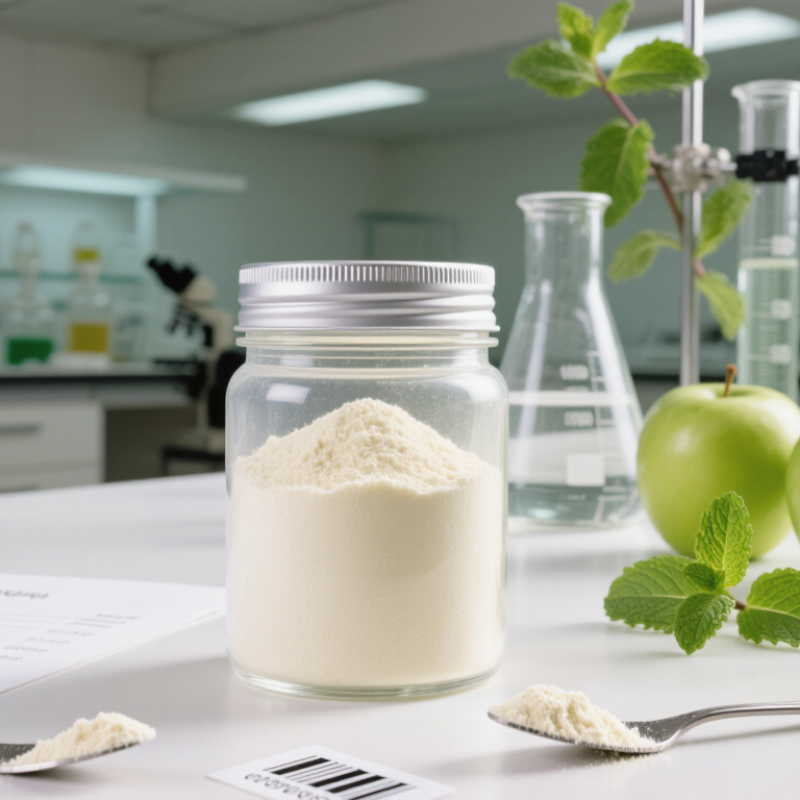
Ursolic acid is a plant compound found in foods and herbs such as apple skin, rosemary, and basil. In powder form, it becomes a concentrated ingredient for research and supplement formulations. The powder may look pale and fine, though color and texture can vary with processing. The source matters.
Common uses include formulation work and laboratory research into the compound’s properties. Some consumers also encounter it in dietary supplements. Evidence for specific health benefits in people remains limited, so a product should not be treated as a proven remedy. That distinction matters. It is easy to read more into early research than it can support.
When comparing powders, check the stated ursolic acid content, ingredient list, and available independent testing. A certificate of analysis can help verify identity and purity, while details about carriers or processing aids explain what else is in the powder. Ask how it will be used: a research ingredient and a supplement ingredient may have different specifications. Powders can also differ in how easily they disperse, which affects handling. I would not assume that a higher concentration automatically means a better choice; the intended use and clear documentation matter more.
Defining the Purity and Formulation You Need
When choosing ursolic acid powder in 2026, define the specification before comparing products. “High purity” alone is vague. Look for a batch-specific certificate of analysis that states the assay result, test method, and identification checks. A percentage without a method tells you less than it seems. Review contaminant testing and, where relevant, residual-solvent results. Confirm that the document matches the lot you may actually receive.
Formulation matters just as much as purity. Ursolic acid has low water solubility, so particle size, carrier ingredients, and dispersion properties can affect how easily a powder fits into a product. Check whether the material is neat powder or a prepared blend, and read the full ingredient list. Ask about storage conditions and packaging; a tightly sealed, light-protective container can help limit exposure to moisture and air. Specifications can look tidy on paper. Real batches still deserve scrutiny.
Tips: Request a recent sample report, compare its assay method with your quality requirements, and check whether the stated purity is measured on an as-is or dry basis. If the supplier cannot clarify that point, pause. I would also verify that the formulation suits your intended application rather than assuming the highest assay is automatically the best choice.
How to Choose Ursolic Acid Powder in 2026? — Defining the Purity and Formulation You Need
Start by confirming the ingredient’s identity. Ursolic acid has the molecular formula C₃₀H₄₈O₃; the chart shows the number of each type of atom in one molecule.
When evaluating a powder, compare its certificate of analysis with the stated identity and assay method, and check that the formulation suits your intended use. Molecular formula reference: PubChem: Ursolic Acid.
Checking Raw Material Sources and Manufacturing Standards
How to Choose Ursolic Acid Powder in 2026?
Checking Raw Material Sources and Manufacturing Standards
Start with the plant, not the percentage on the label. Ask for the botanical name, plant part, country of origin, harvest season, and extraction method. Ursolic acid may come from different plant materials, so “plant-derived” is not enough to establish traceability. Request a batch-specific certificate of analysis (CoA) and check that the assay method, such as HPLC, is stated. A number without a method is hard to assess.
Manufacturing records matter. Look for documented controls covering supplier qualification, cleaning, extraction, and lot tracking. Independent testing should address identity, ursolic acid content, residual solvents, heavy metals, pesticides, and microbial contamination. ISO/IEC 17025 accreditation can support confidence in a testing laboratory, but it does not verify every product claim. The 2023 Council for Responsible Nutrition survey reported that 74% of U.S. adults use supplements, underscoring why transparent quality information matters. Still, broad survey data cannot prove a specific powder’s purity.
Tips: Compare the CoA with the product specification, and confirm both refer to the same lot. Ask how results were obtained. Keep one doubt in view: a polished document is not proof unless the supplier can explain its methods and traceability.
Evaluating Lab Tests, Safety Data, and Regulatory Status
When choosing ursolic acid powder in 2026, read the certificate of analysis (COA) beyond its headline purity figure. Check that the tested sample matches the lot you will receive, and look for a validated identity and assay method. Ask for separate results for lead, arsenic, cadmium, mercury, residual solvents, and microbial contamination. A generic “pass” is less useful than named methods, units, limits, and laboratory details. ISO/IEC 17025 accreditation can support confidence in a lab’s competence, but it does not guarantee every test is suitable for this ingredient. Small detail. Confirm the report’s date and lot number.
The Council for Responsible Nutrition’s 2024 Consumer Survey reported that 75% of U.S. adults use dietary supplements. That broad figure is not evidence that ursolic acid is effective or safe; it does underline why clear quality documentation matters. Ask for stability data and storage instructions, too. A powder that has absorbed moisture may not match its original test results. Regulatory status also depends on the ingredient’s intended use and sales market. In the United States, the FDA does not approve dietary supplements for safety and effectiveness before they are marketed. Check current FDA guidance and request documentation supporting the supplier’s regulatory position. Paperwork can look reassuring. It still deserves a careful read.