
How to Choose the Right Patella Strap?

Knee discomfort can make ordinary moments feel uncertain: climbing stairs, standing from a chair, or walking downhill. A Patella Strap may offer targeted support by applying gentle pressure below the kneecap, but it is not a cure-all. The right choice depends on comfort, fit, activity, and the reason for your symptoms. Small details matter. A strap that slips during a short walk may become distracting during a longer workout.

Look for an adjustable design that sits securely beneath the kneecap without pinching or restricting movement. Check the sizing guidance, material, closure, and care instructions before buying. If possible, assess the fit while bending and straightening your knee; it should feel supportive, not painfully tight. There is no single best strap for everyone, and product descriptions cannot replace an individual assessment. Pain around the kneecap can have different causes, so persistent, severe, or worsening symptoms deserve advice from a qualified healthcare professional. That detail is easy to overlook. A strap may help some people feel more comfortable during activity, while others may need a different approach. This guide explains what to compare, how to check fit, and when to seek professional guidance, so you can make a more informed choice without expecting one small band to solve every knee problem.
How to Choose the Right Patella Strap?

Understand What a Patella Strap Does and When It May Help

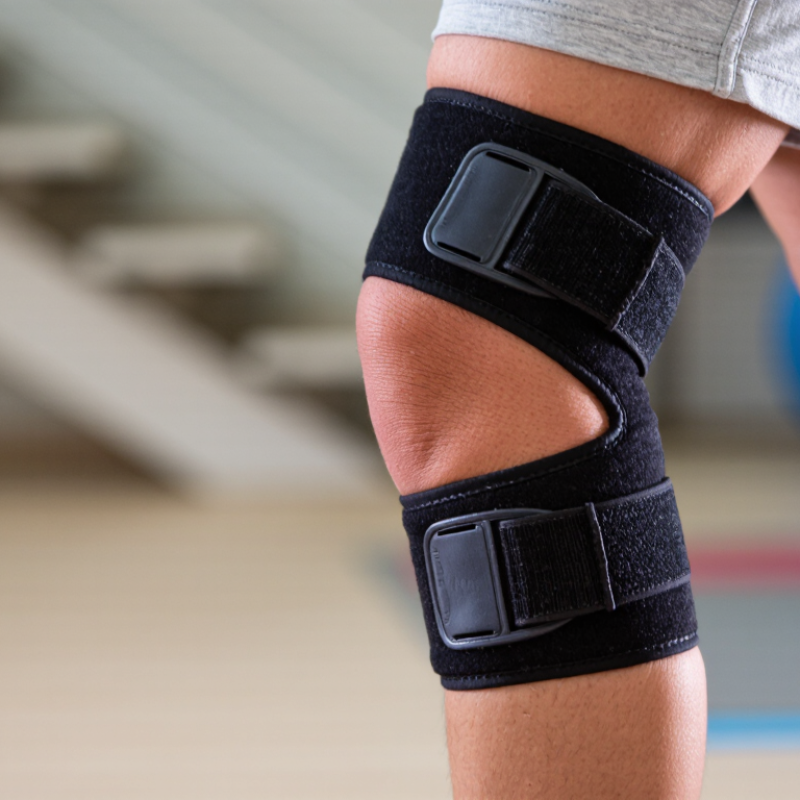
A patella strap sits just below the kneecap, over the patellar tendon. Its gentle pressure may change how force feels during running, jumping, or stair climbing. It does not hold the kneecap in place or repair an injury.

The distinction matters: tendon pain below the kneecap differs from pain around or behind it.

Not a cure.

A 2018 systematic review in the British Journal of Sports Medicine estimated patellofemoral pain affects 22.7% of adults and 28.9% of adolescents. Those figures describe a different condition; they do not prove a strap will help.

A strap may be worth trying when activity brings localized tendon pain, especially during jumping or squats. Research suggests some people feel short-term relief, but results vary and evidence is limited.

The 2019 Journal of Orthopaedic & Sports Physical Therapy guideline emphasizes exercise-based care for patellofemoral pain, rather than relying on supports alone. Choose a comfortable fit below the kneecap; a tighter strap is not automatically better.

That assumption deserves a rethink.

Test it during a familiar movement, such as a few controlled stairs, and stop if numbness, skin irritation, or increased pain appears.

Persistent swelling, a sudden injury, or trouble bearing weight warrants assessment by a qualified health professional.

Assess Your Symptoms, Activity, and Support Needs

How to Choose the Right Patella Strap?

Start by noticing when your knee hurts and where the discomfort sits. Is it below the kneecap during stairs, running, or repeated jumps? Or does pain continue while you rest?

A strap may provide support for some activities, but it cannot identify the cause of pain. Persistent, worsening, or sudden pain deserves assessment by a qualified health professional.

Match support to your routine. A runner may need a strap that stays in place through steady movement, while someone climbing stairs may value easy adjustment and comfortable wear. Follow the strap’s fitting instructions; designs differ.

It should feel secure, not painfully tight, and should not cause tingling, numbness, or skin irritation. Fit matters. Try walking, bending your knee, and doing a few gentle movements before wearing it for a full workout.

It is tempting to tighten a strap for extra reassurance, but more pressure is not automatically better. Reflect on whether it actually helps you move comfortably, rather than relying on the feeling of compression alone. If symptoms increase, remove it and reconsider the fit or seek professional advice.

Compare Strap Designs, Materials, and Adjustability

Patella straps vary in shape and pressure. A simple band sits just below the kneecap and is usually light under clothing. Wider wraparound designs may offer more contact and let you adjust pressure across a larger area. They can also feel bulky during stairs or deep bends. Fit matters.

Materials change the feel. Neoprene often feels cushioned and warm, while woven elastic may feel cooler and less padded. Some straps combine a soft inner surface with firmer outer webbing. Check the edges and seams against your skin; rough stitching can irritate during a long walk. Breathable fabric is useful, but it may not stay dry during exercise.

Adjustability matters as much as design. Hook-and-loop closures allow small changes in tension, while fixed-loop styles can be quicker to put on but less flexible. The strap should feel secure without pinching or causing tingling. Try it while sitting, walking, and bending your knee, not just standing still. Too tight is not better. Comfort can change as you move, and a strap that feels right at first may need readjustment. If pain worsens or persists, ask a qualified health professional whether the strap suits your situation.

How to Choose the Right Patella Strap?

Compare strap designs, materials, and adjustability

The chart compares typical design features, not clinical performance. A single-band strap and a sleeve with an integrated strap usually have one adjustable band; a dual-band design has two. Materials vary by product: straps commonly use elastic fabric or neoprene blends, often with hook-and-loop closures, while sleeves are typically made from stretch fabric. Check the product’s material and fit details, since construction varies.

Check the Fit, Position, and Comfort Before Use

A patella strap should rest just below your kneecap, across the tendon—not over the center of the kneecap. Sit with your knee slightly bent, then fasten the strap snugly. It should feel secure without pinching or making your foot tingle. Too tight is not better. Check that the strap stays in place when you stand and bend your knee. If it slides, loosen it and reposition it rather than pulling harder.

Tips: Try it over bare skin or a thin layer of clothing, depending on the strap’s instructions. Walk a few steps and climb one stair. Notice any rubbing, pressure, or change in comfort. Small adjustments matter.

Wear the strap for a short test before using it during a longer activity. Your knee should move freely, and the strap should not leave painful marks. Comfort can change as you move; mine might need a quick readjustment after sitting. Stop using it if discomfort worsens, and ask a qualified healthcare professional for guidance if pain persists or you are unsure about the fit.

Monitor Results and Know When to Seek Professional Advice

A patella strap should make movement feel more comfortable, not mask pain. Note your symptoms before wearing it: where discomfort occurs, how strong it feels, and which activities trigger it. Keep a simple record after walks, stairs, or exercise. Small details matter. For example, can you climb the same steps with less discomfort, or does pain return later that evening? Check the skin beneath the strap, too. Mild pressure marks may fade quickly, but numbness, tingling, or increasing irritation means you should loosen or remove it. A strap that slips or needs constant tightening may not fit well.

Give changes a little time, but do not treat improvement as proof that the underlying problem is resolved. I might be tempted to keep going when a knee feels better; that is not always wise. Reduce or pause activities that clearly worsen symptoms, and seek advice from a healthcare professional if pain persists, keeps returning, or limits everyday movement. Get prompt medical assessment for marked swelling, a feeling that the knee may give way, or difficulty bearing weight. A clinician can check the cause of your symptoms and advise whether the strap, its placement, or another approach is suitable.

CONTACT US