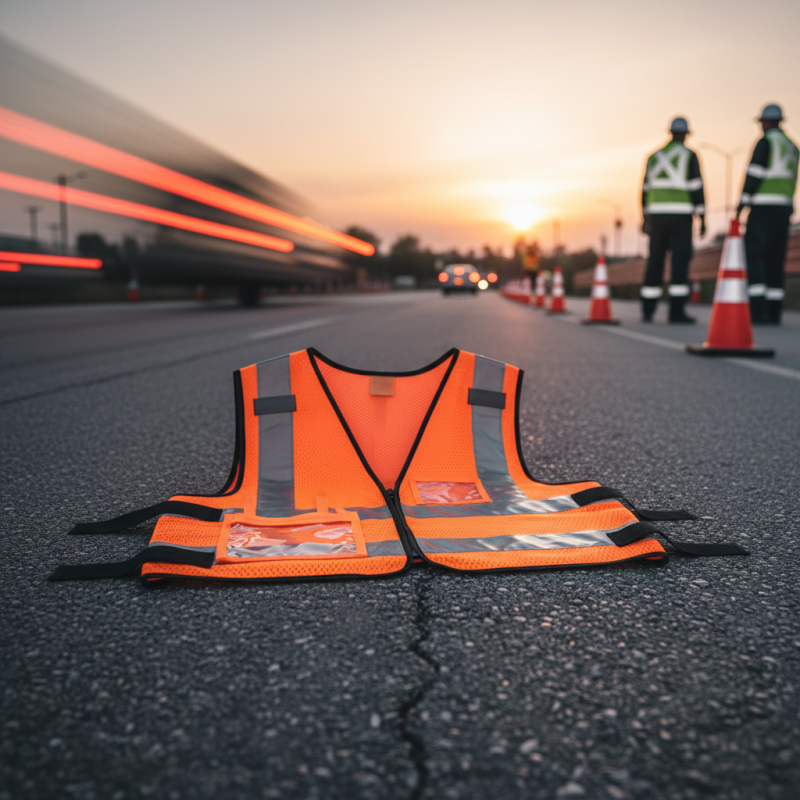
How to Choose the Best Traffic Control Safety Vest for Your Needs?
Choosing the right Traffic Control Safety Vest is crucial for anyone involved in roadside work. Safety vests are essential for visibility and protection. They come in various styles and features, which can make selection challenging.
Understanding your specific needs is key. The right vest should enhance visibility without sacrificing comfort. Look for materials that breathe and provide a good fit. They should ideally be adjustable to accommodate layers underneath.
Consider the environment in which you’ll work. If you’re in low-light situations, choose a vest with reflective stripes. Knowing the regulations in your area can help avoid mistakes. Remember, a vest is not just a piece of clothing; it represents safety for you and those around you.
Understanding the Importance of Traffic Control Safety Vests in Work Zones
Traffic control safety vests play a crucial role in ensuring the safety of workers in high-risk environments. According to the Bureau of Labor Statistics, over 20,000 highway workers were injured annually in recent years, highlighting the urgent need for effective safety gear. These vests enhance visibility, especially in low-light conditions, making it easier for drivers to see workers and respond appropriately.
It is essential to select the right vest for specific tasks. The American National Standards Institute (ANSI) outlines classifications for visibility apparel. Class 2 and Class 3 vests offer higher visibility than Class 1, particularly in work zones with heavy traffic. Color also matters—fluoresent orange or yellow is standard for high visibility. However, users often overlook proper sizing and fit, which can compromise safety. An ill-fitting vest may not provide the intended protection, potentially leading to accidents.
The importance of wearing a safety vest cannot be overstated. In a recent survey, up to 60% of workers admitted that they sometimes neglect to wear their vests. This is concerning, given the significant risks involved. Workers must be reminded that complacency can lead to tragic outcomes. Ultimately, choosing the right vest is a matter of life and death in many work sites.
Key Features to Consider When Selecting a Traffic Control Safety Vest
When selecting a traffic control safety vest, there are several key features to consider. First, visibility is crucial. The American National Standards Institute (ANSI) provides guidelines on high-visibility clothing. A vest should have reflective strips that enhance visibility in low light conditions. Ideally, it should be made of fluorescent colors that stand out against various backgrounds, whether in daylight or nighttime.
Another important feature is comfort. Many workers wear safety vests for long periods. Thus, breathability and weight matter. Fabric that allows air circulation helps reduce heat build-up. Some vests come with adjustable straps, which can provide a better fit. This can prevent distractions throughout the workday, enhancing focus on the task.
Durability is often overlooked but is essential for safety gear. Traffic control vests can experience wear from abrasions and exposure to the elements. A report by the National Institute for Occupational Safety and Health (NIOSH) indicates that worn-out gear significantly increases the risk of accidents. Regular inspections for tears or fading material are vital. A reliable vest not only upholds safety standards but also builds confidence in challenging conditions. Consider these factors carefully to ensure optimal protection and performance.
Traffic Control Safety Vest Features Comparison
Standards and Regulations Governing Traffic Control Vest Specifications
When selecting a traffic control safety vest, understanding the relevant standards and regulations is crucial. Organizations such as the American National Standards Institute (ANSI) provide guidelines for these vests. These standards ensure that vests are highly visible and durable. There are different classes of vests, classified by their visibility levels and intended usage. For instance, Class 1 vests are suitable for low-risk environments, while Class 3 vests provide the highest visibility, essential for work near high-speed traffic.
Compliance with these regulations is essential for ensuring safety on the job. The color of the vests also plays a significant role. Bright colors like fluorescent yellow or orange enhance visibility. Additionally, reflective strips improve safety during low-light conditions. Choosing a vest that meets these specifications is vital, as it can significantly reduce the risk of accidents. However, many workers overlook the importance of proper fit and comfort. An ill-fitting vest can be a distraction and may compromise safety.
Reflect on your specific needs when selecting a vest. Are you working in a well-lit area, or do you encounter low visibility? Evaluate your working conditions and choose accordingly. Safety vests can vary in quality and compliance, so research is necessary. A well-informed choice not only meets standards but also keeps you safe while on duty.
Evaluating Material Durability and Comfort for Extended Wear in the Field
Selecting the best traffic control safety vest involves careful evaluation of material durability and comfort. For fieldwork, these factors are crucial. Research indicates that workers often wear safety vests for several hours, leading to discomfort if materials are not breathable. Fabrics like polyester offer good durability but can lack in moisture-wicking properties. Cotton blends, while comfortable, may not withstand rigorous use.
When assessing durability, look for vests with reinforced stitching and high tensile strength. A report by the Occupational Safety and Health Administration (OSHA) highlights that poorly constructed vests lead to increased hazards on-site. Ensure that your vest can withstand the environmental conditions you face.
Tip: Prioritize vests with adjustable features. A good fit improves both comfort and visibility. Infrared thermographic imaging has shown that poorly fitting garments can lead to overheating, affecting worker performance.
Comfort shouldn't be overlooked. Soft, lightweight materials will enhance your experience during extended wear. Consider vests with mesh panels or moisture-wicking properties. While they might be slightly more expensive, the investment pays off in comfort and safety.
Tip: Always consider your specific work environment. If you’re in a hot climate, lighter and more breathable materials will be beneficial. Remember, a small choice can make a big difference.
How to Choose the Best Traffic Control Safety Vest for Your Needs?
| Feature | Material | Durability Rating | Comfort Level | Breathability | Visibility | Weight |
| Basic Safety Vest | Polyester | Moderate | Good | Average | Standard Reflectivity | 200 grams |
| High-Visibility Vest | Nylon & Mesh | High | Excellent | Good | High Reflectivity | 250 grams |
| Water-Resistant Vest | Polyester with Coating | High | Good | Average | Standard Reflectivity | 220 grams |
| Multi-Pocket Vest | Polyester | Moderate | Fair | Good | Standard Reflectivity | 230 grams |
| Cool Mesh Vest | Mesh Polyester | Moderate | Excellent | High | High Reflectivity | 180 grams |
Assessing Visibility Levels: ANSI Classifications and Reflective Enhancements
When selecting a traffic control safety vest, visibility is paramount. The American National Standards Institute (ANSI) has established classifications that guide safety gear selection. These classifications, like Class 2 and Class 3, indicate the vest's visibility under varied lighting conditions. Class 2 vests, for instance, are suitable for workers in high-traffic areas. They provide adequate visibility but may not be sufficient for nighttime or poor weather conditions. Class 3 vests, on the other hand, are designed for optimal visibility and are ideal for roadwork situations.
Reflective enhancements play a crucial role in improving visibility. According to a study by the Occupational Safety and Health Administration (OSHA), workers wearing properly reflective gear are up to 70% less likely to suffer from visibility-related accidents. The effectiveness of reflective strips is influenced by light conditions, distance, and the density of reflective material. Choosing the right material is critical. For example, vests made from durable polyester with high-quality reflective tape offer better performance than cheaper alternatives.
However, it's essential to consider that not all reflective materials are created equal. Some may wear out quickly under harsh conditions. Regular assessment of the vest's condition is necessary. Users should be aware of the limitations of their gear, especially in unpredictable weather or low-light environments. A vest may seem adequate, but it could fall short in real-life scenarios, highlighting the importance of ongoing evaluation and the potential need for upgrades.