2026 How to Choose the Best Medicine For Wound Infection?
Choosing the right medicine for wound infection is crucial. Infections can delay healing and lead to complications. According to the Centers for Disease Control and Prevention (CDC), about 1 in 10 surgical patients develop a postoperative infection, highlighting the importance of effective treatment options.
Dr. Sarah Thompson, an expert in wound care, emphasizes, “Selecting the appropriate medicine for wound infection can make a significant difference in recovery outcomes.” With numerous products on the market, understanding their efficacy and safety is vital. Each wound type may require a specific treatment approach, complicating the decision-making process.
In recent years, the development of antibiotics and advanced wound care technologies has expedited healing processes. However, the rise of antibiotic resistance poses a challenge. The World Health Organization (WHO) reported that antibiotic resistance could cause 10 million deaths annually by 2050 if not addressed. Thus, practitioners must critically assess the available medicines for wound infections to ensure optimal patient care.

Understanding Wound Infections: Types and Symptoms
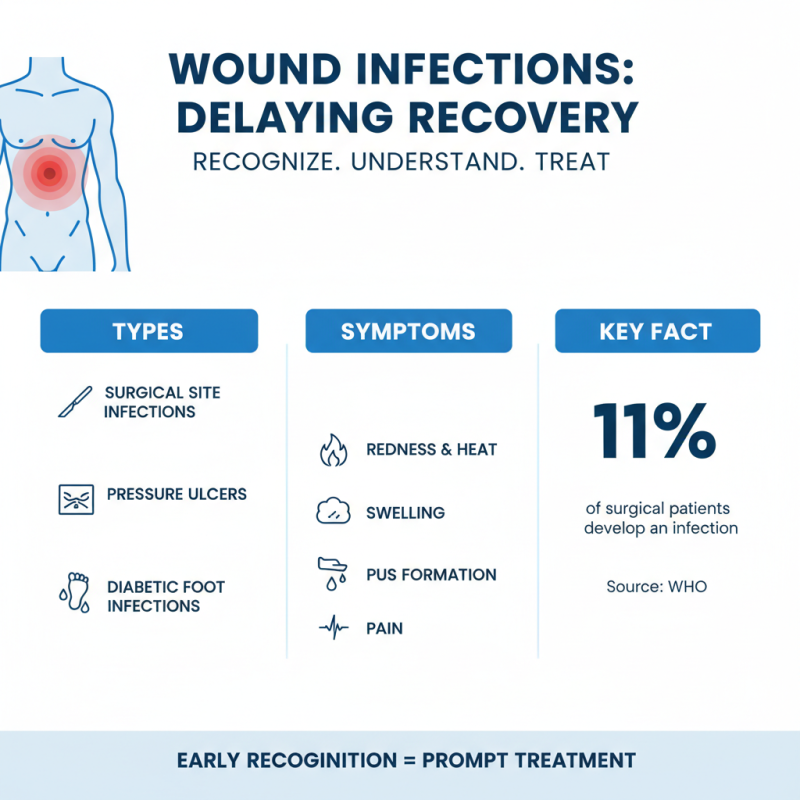
Wound infections can significantly delay recovery. Understanding the types and symptoms of these infections is crucial. There are different wound infections, such as surgical site infections, pressure ulcers, and diabetic foot infections. Each type may exhibit unique symptoms, including redness, swelling, heat, and pus formation. According to the World Health Organization, 11% of surgical patients develop an infection. Recognizing early signs can aid in prompt treatment.
Tips: Always clean wounds with mild soap and water. Keep them covered to prevent exposure. This simple action can minimize infection risk.
Additionally, systemic symptoms may indicate a more serious issue. Fever, chills, and increased heart rate can signal a wider spread of infection. Studies reveal that about 60% of untreated infections can lead to severe complications. Regular monitoring of the wound and any unusual changes should prompt immediate consultation with a healthcare provider.
Tips: Monitor for changes like increased pain or unusual odor. Taking notes can help doctors make informed decisions. Often, communication about symptoms can be overlooked, impacting treatment effectiveness.
Factors to Consider When Choosing Medicine for Wound Infections
Choosing the right medicine for wound infections requires careful thought. Several factors come into play. It's essential to assess the type and severity of the infection. Some wounds may appear minor but can develop serious complications. Others might show signs of healing yet produce unusual discharge. This variability can complicate decisions.
The patient's overall health is another crucial aspect. Individuals with weakened immune systems respond differently. Age, medical history, and existing conditions should all be considered. Not every solution works for everyone. What helps one person, may cause a reaction in another. Mindfulness of allergies is vital here; a simple ingredient could trigger issues.
Lastly, the environment where healing occurs matters. Cleanliness and humidity can influence outcomes. Some areas may be prone to infection due to bacteria present. Without addressing such factors, even the best medication may fall short. This complexity highlights the need for constant evaluation. Regularly assessing the wound's condition can guide future decisions effectively.
Factors to Consider When Choosing Medicine for Wound Infections
Commonly Used Antibiotics and Their Applications in Treatment
When dealing with wound infections, selecting the right antibiotic is crucial. Commonly used antibiotics include penicillins and cephalosporins. These medications target bacteria effectively. Penicillin is often effective against common skin infections like cellulitis. However, some bacteria may be resistant, making treatment challenging.
Another widely used option is tetracycline. This antibiotic works well for various infections, including those caused by atypical bacteria. It’s important to consider side effects like nausea and sensitivity to sunlight. If not monitored, patients might face complications.
In certain cases, doctors may prefer macrolides for respiratory infections. These are less likely to disturb gut flora. Yet, they can cause liver issues in some individuals. Each patient's situation is unique and requires careful consideration of their health history. Awareness of potential side effects ensures a more tailored approach to treatment.
2026 How to Choose the Best Medicine For Wound Infection? - Commonly Used Antibiotics and Their Applications in Treatment
| Antibiotic |
Common Use |
Mechanism of Action |
Side Effects |
Dosage Form |
| Amoxicillin |
Common skin and soft tissue infections |
Inhibits bacterial cell wall synthesis |
Nausea, diarrhea, allergic reactions |
Oral tablet, liquid |
| Cephalexin |
Skin infections, bone infections |
Inhibits bacterial cell wall synthesis |
Rash, gastrointestinal discomfort |
Oral capsule, liquid |
| Clindamycin |
Serious skin infections, deep tissue infections |
Inhibits bacterial protein synthesis |
Diarrhea, nausea, potential for C. difficile |
Oral capsule, topical gel |
| Vancomycin |
Severe infections caused by Gram-positive bacteria |
Inhibits bacterial cell wall synthesis |
Red man syndrome, nephrotoxicity |
Injection, oral capsule |
| Mupirocin |
Topical treatment for skin infections |
Inhibits bacterial protein synthesis |
Burning sensation, rash |
Topical ointment |
Evaluating the Effectiveness of Topical vs. Systemic Medications
When faced with wound infections, the choice between topical and systemic medications is critical. Topical treatments such as creams and ointments can deliver high concentrations of medication directly to the infection site. Research indicates that local application can significantly reduce healing time. A study published in the Journal of Wound Care noted that patients using topical antibiotics showed a 20% faster recovery rate compared to those on systemic medications.
However, systemic medications, like oral or intravenous antibiotics, can be necessary for more severe infections. They circulate through the bloodstream, allowing for a broader impact on the body. According to a report from the National Institutes of Health, systemic treatments can be essential in cases where the infection has spread beyond the local area. Yet, this approach may pose risks such as side effects or antibiotic resistance.
Choosing the right medication often depends on the infection's severity, location, and patient health. Data shows that healthcare providers sometimes overlook the importance of local versus systemic effects. This inconsistency can lead to unnecessary complications in treatment. It's vital to evaluate each case thoroughly, considering all factors to ensure effective wound care.
Consulting Healthcare Professionals: When and Why You Should Seek Help
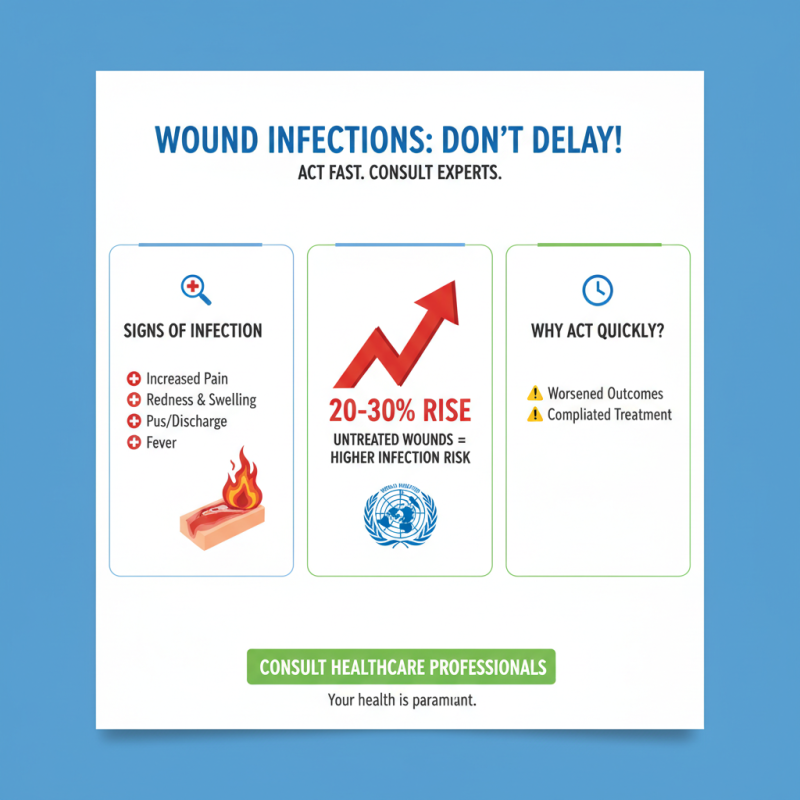
Wound infections can escalate quickly. Consulting healthcare professionals is crucial when you notice signs of infection. According to the World Health Organization, infection rates can rise by 20-30% in untreated wounds. Delaying help can worsen the outcome and complicate treatment.
Seeking medical advice is vital, especially when wounds display increasing redness, swelling, or pus. It's easy to underestimate these signs. Some may even ignore minor pain, thinking it will heal itself. The Centers for Disease Control and Prevention reports that early intervention reduces complications by nearly 50%. Proper guidance can ensure the right medication is chosen.
Many individuals feel hesitant about visiting healthcare providers. Concerns about time, cost, or embarrassment can hold them back. This reluctance can have serious consequences. Serious infections may require hospitalization, prolonging recovery and increasing expenses. Understanding when to seek help can make all the difference in managing wound infections effectively.