How to Choose the Best Maternity Pads for Your Needs?
Choosing the right Maternity Pads can make the first days after childbirth feel more manageable. Postpartum bleeding, or lochia, may change in volume and color over several weeks. A pad that feels suitable today may feel too bulky tomorrow. That is normal.
This guide examines absorbency, softness, length, breathability, fit, and adhesive strength. It also considers vaginal birth, cesarean recovery, overnight use, and sensitive skin. Comfort matters. So does protection. A secure pad should stay in place while walking, resting, or caring for a newborn. It should not feel stiff against tender skin.
Practical experience shows that highly absorbent does not always mean best. An oversized pad can trap heat, while a thin pad may require frequent changes. Small details matter. Look for a soft surface, reliable coverage, and packaging that supports hygienic storage. Fragrance-free options may suit people who react to scented products, although personal tolerance differs. Checking the materials can help, but labels are not always easy to interpret.
A common mistake is buying only one style in bulk. Your needs may shift quickly. Comparing several sizes before delivery can reduce waste and discomfort. Still, no product replaces medical advice. Seek professional care for very heavy bleeding, large clots, worsening pain, fever, dizziness, or an unpleasant odor. These signs may need prompt assessment. The best choice balances comfort, protection, skin needs, and realistic daily use.
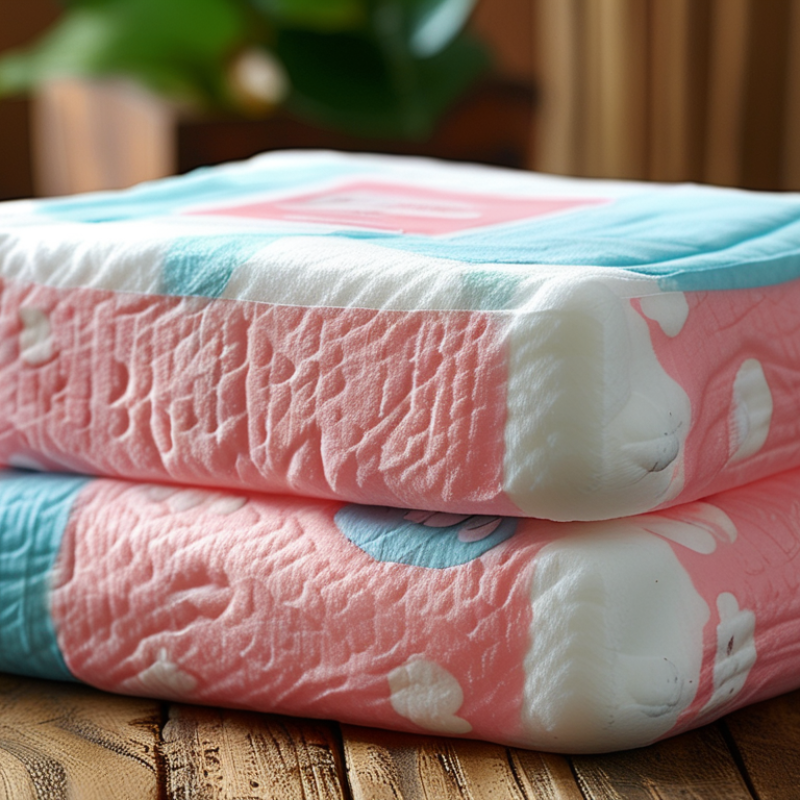
What Are Maternity Pads and Why Are They Needed?
How to Choose the Best Maternity Pads for Your Needs?
What Are Maternity Pads and Why Are They Needed?
Maternity pads are highly absorbent pads made for bleeding after childbirth. This bleeding is called lochia. It contains blood, mucus, and tissue from the uterus. The flow can be heavy during the first days, then gradually becomes lighter. Regular menstrual pads may not offer enough coverage during this stage.
Maternity pads are usually longer, wider, and softer than standard pads. They can protect underwear and bedding while your body heals. Many new mothers also experience tenderness, swelling, or stitches. A soft, breathable surface may feel more comfortable. Avoid scented products, because fragrance can irritate sensitive skin. Change the pad regularly, even when it is not completely full. This helps support hygiene and comfort. Tampons and menstrual cups are generally avoided during early postpartum recovery. Follow your healthcare provider’s instructions.
Tips: Keep several pads beside your bed and bathroom. Choose different absorbency levels for changing flow. High-waisted underwear can hold the pad securely. Cold packs may ease soreness, but wrap them in cloth. No product feels perfect. Fit and comfort can change each day. A common mistake is choosing absorbency alone and ignoring softness. Seek medical advice for soaking a pad within an hour, large clots, fever, worsening pain, or foul-smelling discharge.
Which Maternity Pad Features Matter Most?
Choosing the best maternity pad starts with absorbency, but comfort often decides whether you can rest. Look for a pad with a wide, secure core and enough length for your bleeding pattern. Overnight designs may offer extra coverage at the back. Wings can reduce shifting, especially when walking or getting in and out of bed. A poor fit can cause leaks.
Softness matters more than many shoppers expect. Postpartum skin may feel tender, swollen, or irritated after birth. Choose fragrance-free materials with a breathable outer layer when possible. A flexible pad should follow your body without bunching. Check the adhesive, too. It should hold firmly but not damage underwear. Small details matter.
Packaging can also affect daily care. Individually wrapped pads are easier to keep clean in a hospital bag or bathroom drawer. Clear absorbency guidance helps you prepare enough supplies without guessing. I used to assume thicker always meant better, but excessive bulk can feel uncomfortable and shift during movement. That assumption deserves reconsideration. If bleeding suddenly becomes very heavy, large clots appear, or dizziness develops, contact a healthcare professional promptly. Availability is not quality. Fit, comfort, reliable absorption, and easy changing matter more.
How to Choose the Right Size, Absorbency, and Coverage
Choosing the right maternity pad starts with fit, not packaging. Your usual menstrual pad may feel too narrow after birth, especially when sitting, walking, or resting. Measure comfort by coverage: the pad should protect from the pubic area toward the lower back without bunching. Wider backs and secure wings can reduce leaks during sleep. Fit matters.
Absorbency should match your current flow. Heavy lochia during the first days may require an extra-absorbent pad, while a lighter option can work later. Change the pad regularly, even when it does not feel full, to support cleanliness and reduce skin irritation. Breathable, soft materials may feel better against tender skin. Still, “more absorbent” is not always better if the pad becomes bulky or traps moisture.
Think about movement and timing. A longer pad may be useful overnight, while a slimmer shape can feel easier during short walks. If you have stitches or swelling, choose a gentle surface and avoid anything that rubs. I once assumed the largest size would offer the best protection, but comfort and positioning mattered more. Check the pad after standing and sitting; small gaps often appear then. Follow your healthcare professional’s advice, especially if bleeding suddenly increases, you soak a pad in an hour for two hours, or you notice dizziness, fever, or an unusual odor.
Which Materials and Designs Offer Better Comfort?
Choosing the best maternity pads means examining materials as carefully as absorbency. Postpartum bleeding can change quickly, so comfort should not be treated as a luxury. Soft cotton or breathable cellulose layers may feel gentler against sensitive skin. A fragrance-free surface is usually a safer choice because perfumes can irritate healing tissue. Avoid rough, plastic-feeling covers. They may trap heat and moisture.
Tips: Look for a wide, absorbent core, flexible side wings, and a secure adhesive strip. A contoured shape can reduce leaks while lying down. Change the pad regularly, even when it does not feel completely full. Keep a few sizes nearby. Your needs may shift during the day.
In my experience, an extra-long pad feels reassuring during the first nights, especially when movement is limited. However, maximum length is not always better. A bulky design can rub the inner thighs or shift under loose underwear. I once selected the most absorbent option and found it uncomfortable after several hours. That choice taught me to balance softness, airflow, and protection. Reusable fabric pads may feel comfortable, but they require careful washing and complete drying. If bleeding suddenly becomes much heavier, or pain, fever, or an unusual odor appears, contact a qualified healthcare professional promptly.
How to Choose the Best Maternity Pads for Your Needs?
Typical postpartum pad length ranges by design, showing how coverage and intended use generally increase from regular to overnight styles.
Soft cotton or viscose topsheets can improve skin comfort, while breathable nonwoven backings help reduce heat and moisture. Choose a longer, wider pad with secure wings for heavier flow or nighttime use, and replace it regularly to maintain freshness and hygiene.
How to Use and Change Maternity Pads Safely
How to Choose the Best Maternity Pads for Your Needs?
After birth, maternity pads should feel secure without rubbing sensitive skin. Choose a breathable, soft pad with enough length for lying down and walking. Absorbency matters, but comfort matters too. Heavy bleeding can occur during the first days, then usually becomes lighter and changes color. Use only external pads until a healthcare professional confirms that tampons or menstrual cups are safe.
Wash your hands before and after changing a pad. Change it every three to four hours, or sooner when it feels wet or full. Remove the used pad from front to back, then wrap it before disposal. Gently rinse with warm water if needed, and pat the area dry. Avoid scented products, harsh soap, and tight underwear. These can increase irritation. A common mistake is waiting too long because the pad looks only partly used.
Tips: Keep spare pads, clean underwear, and a disposal bag nearby. Change pads after using the toilet. Watch the bleeding, not just the pad. Seek medical advice for fever, worsening pain, foul-smelling discharge, dizziness, or bleeding that soaks a pad within an hour for two hours. Large clots also deserve attention. Postpartum recovery is not perfectly predictable. If something feels wrong, trust that concern and contact a qualified clinician.