How to Choose the Best Homogeneous Floor for Your Space?
When selecting the right homogeneous floor for your space, consider various factors. This type of flooring offers a seamless appearance, which can enhance the aesthetic of any room. The uniformity of a homogeneous floor can create a clean and modern look, making it suitable for both residential and commercial settings.
However, not all homogeneous floors are created equal. Different materials and textures can influence both design and functionality. You might find yourself torn between options. The decision-making process can feel overwhelming. Analyzing your space requires attention to detail. Think about foot traffic, moisture levels, and the overall vibe you want to create.
Incorporating a homogeneous floor design should reflect your personal or organizational style. It can be challenging to find the perfect match. Take your time to explore choices, weigh pros and cons. This way, you'll be more confident in your selection. Rather than rushing, consider what truly fits your unique space and needs.
Understanding Homogeneous Flooring and Its Benefits
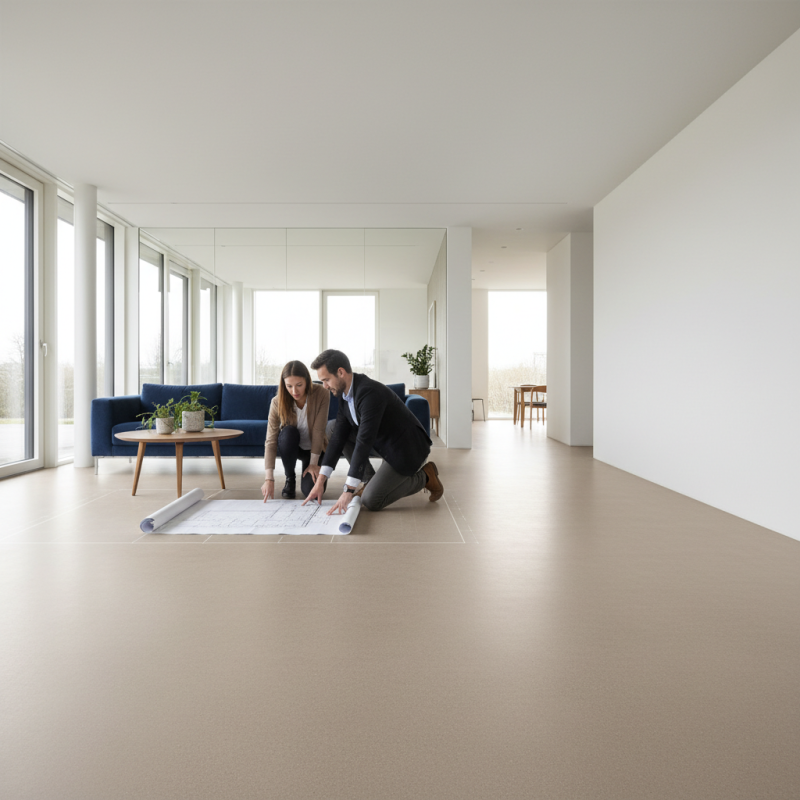
Homogeneous flooring offers a seamless solution for various spaces. This type of flooring consists of a single layer of material, providing uniformity in color and texture. According to a recent industry report, the global homogeneous flooring market is projected to grow by 6% annually through 2027. This growth reflects the rising demand for durable and aesthetically pleasing floor options.
One significant advantage of homogeneous flooring is its durability. It is resistant to scratches, stains, and impacts. These features make it ideal for high-traffic areas, such as hospitals and schools. A survey indicated that 70% of architects prefer homogeneous flooring for commercial projects due to its long lifespan and easy maintenance. Yet, not all homogeneous flooring is created equal. Some options may fade over time, especially in direct sunlight.
Aesthetics play a crucial role in flooring choices. Homogeneous flooring comes in various colors and patterns. This allows for personalized design in any environment. However, the reflective surface can sometimes create glare. This factor may not be ideal for all spaces. While homogeneous flooring has many benefits, careful consideration is needed to ensure it meets your specific requirements.
Assessing Your Space Requirements and Usage
When choosing a homogeneous floor, start by considering your space requirements. Measure the area you intend to cover. Think about the room's purpose. For example, high-traffic areas like hallways may need more durable options. Quiet spaces, like bedrooms, could allow for softer finishes.
Usage is also crucial. Do you have pets or children? If so, scratch resistance and ease of cleaning are vital. Consider the aesthetic as well. The color and texture should complement your existing decor. However, be aware that trends change. What seems perfect now may not be in a few years.
Don’t forget the installation process, which can vary widely. Hiring a professional might ease some of the stress, but it also adds a cost. Explore DIY options if you're on a budget, but know that mistakes can be costly. Weigh the pros and cons carefully. Your choice should reflect both practicality and your personal style.
Evaluating Different Types of Homogeneous Floors
When choosing a homogeneous floor for your space, consider the various types available. Vinyl, linoleum, and rubber are common options. Each of these materials has unique characteristics influencing durability, maintenance, and aesthetics. Vinyl flooring is popular for its water resistance and easy installation. Linoleum offers a natural look and is eco-friendly, but it may require more maintenance. Rubber flooring is durable and provides good traction, making it ideal for high-traffic areas.
Tips: Look at where you will install the flooring. High-moisture areas may benefit from vinyl, while common rooms could showcase linoleum’s beauty. Ask yourself about foot traffic. Busy spaces need strong, resilient floors.
Consider the colors, textures, and patterns available. A neutral palette can create a calm environment, while bold designs can serve as a focal point. It’s essential to reflect on how the floor interacts with your furniture and décor. Sometimes, a trendy choice may not suit your long-term needs. Think about future changes in your space too. A decision made today should still fit your style tomorrow.
Homogeneous Floor Types and Their Durability Ratings
Considering Aesthetic Preferences and Design Themes
When choosing a homogeneous floor, aesthetic preferences are crucial. The color and pattern of the flooring can greatly influence the overall feel of a room. If you want a warm ambiance, consider earthy tones or warm neutrals. They can create a cozy atmosphere, inviting people to feel at home. On the other hand, bold colors or geometric patterns can energize a space, making it lively and dynamic.
Design themes also play a significant role in selection. A modern space may benefit from sleek finishes and minimalistic designs. In contrast, a vintage-inspired room could showcase classic textures and intricate details. The key is to select a floor that harmonizes with your existing décor. Sometimes, the selection process can be overwhelming. You might find yourself drawn to styles that clash with your vision. It's essential to keep your overall design concept in mind while browsing, as distractions can lead you away from your original intent. Take your time to reflect on what truly resonates with your space.
Budgeting for Your Flooring Project and Installation Costs
When budgeting for your flooring project, consider all costs involved. The price of homogeneous flooring varies widely based on materials and installation complexity. According to industry data, the average cost per square foot can range from $2 to $12. This broad range affects your overall budget significantly.
Before diving into your project, create a detailed budget. Outline how much you can allocate for materials and labor. Don’t forget to include possible professional estimates. Many homeowners overlook this, leading to unexpected expenses. Installation can account for 30% to 50% of your total flooring budget.
Tips: Research local contractors for competitive quotes. Ensure they provide breakdowns of their services. Transparent pricing helps to avoid surprises later. Additionally, factor in future maintenance. High-quality flooring may cost more upfront but can save money long-term. Consider this carefully as you finalize your choices. Balancing quality and affordability is key.