How to Choose the Best Food Safety Kits for Your Needs?
Food safety is a critical aspect of public health. In recent studies, the CDC reported that 48 million people get sick from foodborne illnesses each year in the United States. This startling statistic emphasizes the need for effective food safety measures. Food Safety Kits can play a significant role in protecting consumers and businesses alike.
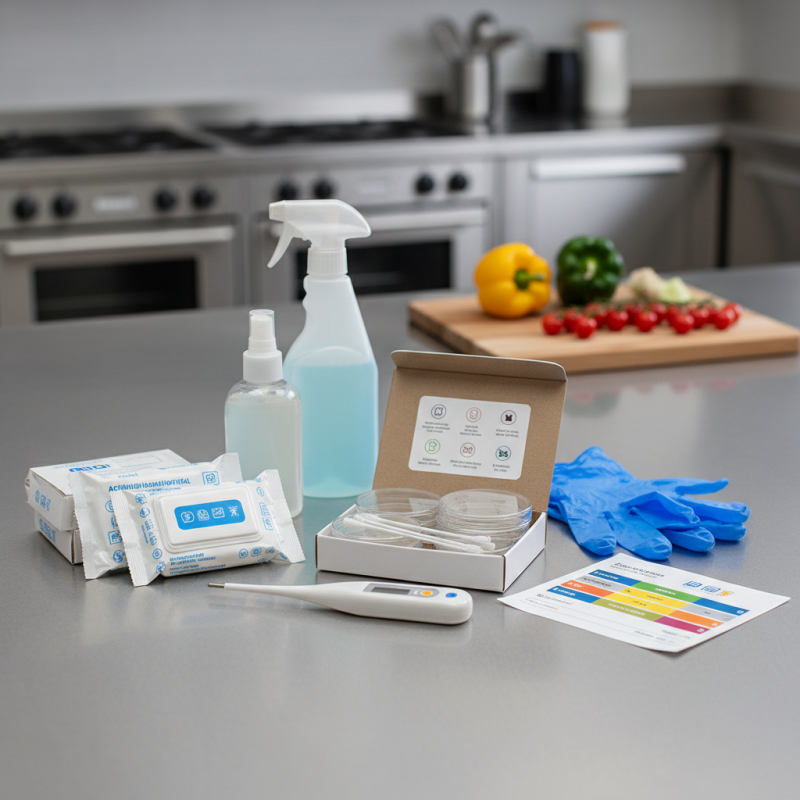
Selecting the right Food Safety Kits is essential for both home cooks and food industry professionals. A comprehensive kit can include thermometers, cleaning supplies, and testing materials to ensure food safety standards are met. These kits help in preventing cross-contamination and maintaining proper food temperatures. However, not all kits are created equal, and consumers must choose wisely based on their specific needs and environments.
Despite the availability of these kits, many still overlook their importance. Food safety practices must be integrated into daily routines. It's easy to forget, but the consequences of negligence can be severe. By educating ourselves and utilizing Food Safety Kits effectively, we can significantly reduce the risk of foodborne illnesses and improve overall safety in food preparation and consumption.
Understanding Food Safety Kits: Types and Importance
Food safety kits are essential tools for anyone involved in food handling or preparation. They come in various types, each serving distinct purposes. Some kits focus on chemical testing, while others emphasize microbiological safety. Understanding these types helps you choose the right kit. For instance, a kit designed for restaurant use may differ significantly from one suited for household kitchens.
Importance lies in their ability to prevent foodborne illnesses. When raw food is mishandled, bacteria thrive. A reliable food safety kit provides test strips and thermometers to help monitor these dangers. However, even the best kits can’t replace proper training. Users often overlook instructions or misinterpret results. This can lead to false security. Regular reflection on the usage of these kits is vital for safety. Test your methods. Are you following best practices?
Incorporating a food safety kit into daily operations also promotes a culture of safety. Staff should feel empowered to test and verify food quality. Yet, some may hesitate to speak up when they see issues. Open communication is crucial. In the end, by understanding and utilizing these kits properly, we can better ensure the safety of our food.
Identifying Your Specific Food Safety Needs
Identifying your specific food safety needs is crucial for selecting the best food safety kits. Understanding your environment is the first step. Restaurants, retail stores, and farms each have unique requirements. According to the USDA, improper food handling contributes to about 48 million illnesses annually. Knowing these facts can help you assess the risks in your setting.
When considering a food safety kit, evaluate the type of food you handle. Raw meats require different tools than vegetables or dairy products. A report from the CDC highlights that cross-contamination is a leading cause of foodborne illnesses. Tailoring your kit to the food types you manage can significantly reduce this risk.
Tips: Always include thermometers for checking temperatures. Keep sanitizers close by and ensure that you have color-coded cutting boards. Do not overlook the importance of staff training. Understanding food safety protocols is just as vital as the tools in your kit. Regularly assess your needs to adapt to changes in your operation.
Key Features to Look for in Food Safety Kits
When selecting a food safety kit, certain key features should guide your decision. Look for a kit that includes basic testing supplies. This can include thermometers, pH test strips, and sanitizer testing strips. These tools ensure proper food handling and storage practices at home or in a professional setting.
Consider the packaging and ease of use. A well-organized kit can save time in emergency situations. Clear instructions or guides are also beneficial. They help users understand how to effectively use each item. The size of the kit matters too. A compact kit is portable, making it convenient for picnics or outdoor events.
Don’t forget about expiration dates. Some items may have limited usability after a certain period. It's essential to check and replace old or expired supplies regularly. Reflect on your specific needs. A kit may boast many features but still lack certain crucial items for your situation. Take the time to analyze what you require most.
Choosing Certified and Quality Food Safety Products
When selecting food safety kits, prioritize certified products. According to a report by the Food Safety Institute, 50% of foodborne illnesses stem from improper handling. Certified kits ensure that you have reliable tools needed for safe food preparation. Using trusted products can significantly reduce contamination risks.
Quality matters. Look for kits that include essential items like thermometers and pH meters. A study from the CDC found that improper cooking temperatures account for 20% of foodborne outbreaks. Tools that ensure your food reaches the correct temperature can prevent these events. Reflect on your current practices. Are you using the best tools available?
Always check for relevant certifications. This information is critical. Not all safety products are created equal. Many unverified tools can lead to false security. Review multiple sources before making a purchase. It’s a step worth taking to ensure safety. Remember, your safety is only as good as your tools.
Budgeting for Your Food Safety Kit Purchase
When preparing to buy a food safety kit, budgeting is key. Reports indicate that effective food safety measures can prevent up to 48 million illnesses annually in the U.S. alone. Understanding your budget allows you to focus on essential components of safety kits based on your specific needs.
Costs can vary widely. A basic food safety kit might start around $50, while more comprehensive options could exceed $300. Look into what each kit includes. Many meals are prepared in environments where safety is crucial. Investing wisely can keep both your food and finances in good shape.
Evaluate your priorities. Do you need a thermometer, pH strips, or storage solutions? Some may overlook the need for quality testing kits. Remember, cheaper isn’t always better. As you plan, factor in how often you'll use each item. This consideration helps identify necessary versus optional tools.
How to Choose the Best Food Safety Kits for Your Needs? - Budgeting for Your Food Safety Kit Purchase
| Kit Type | Contents | Price Range ($) | Recommended For |
| Basic Food Safety Kit | Thermometer, Gloves, Sanitizer | 20 - 50 | Home Use |
| Advanced Food Safety Kit | Thermometer, Gloves, Sanitizer, pH Strips | 50 - 100 | Small Business |
| Professional Food Safety Kit | All items of Advanced Kit + Training Materials | 100 - 250 | Restaurants |
| Custom Food Safety Kit | Selected Items per Customer Needs | Variable | Any Use |