How to Choose Between Mineral Oil and Silicone for Your Needs?
When selecting the right product for your needs, the choice between Mineral Oil And Silicone becomes crucial. Both options serve various purposes, yet they have distinct characteristics. Mineral oil is derived from petroleum, known for its moisturizing properties. It is often used in skin care and industrial applications due to its ability to create a barrier.
On the other hand, silicone offers unique benefits. It provides a protective layer and is used extensively in cosmetics and personal care products. Its smooth texture and long-lasting effects are appealing. However, many users find deciding between mineral oil and silicone challenging. Each has its pros and cons. For instance, mineral oil may feel greasy, while silicone might irritate sensitive skin.
Understanding these differences can help you make an informed choice. It’s essential to consider your specific needs and the environment in which you will use these products. Whether for personal care or industrial applications, both mineral oil and silicone can fulfill distinct roles. Yet, reflecting on your experiences with either substance may reveal insights that can guide your decision-making process.
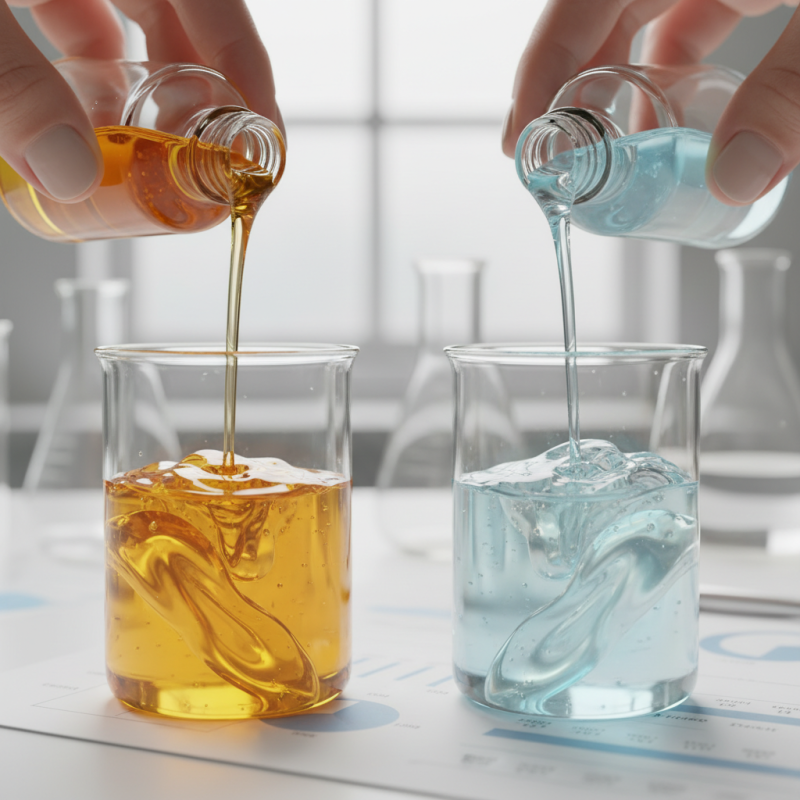
Understanding the Chemical Composition of Mineral Oil and Silicone
When choosing between mineral oil and silicone, understanding their chemical composition is crucial. Mineral oil is derived from petroleum. It consists mainly of alkanes and cycloalkanes. This composition makes it an affordable option with excellent moisturizing properties. Studies have shown that it acts as an effective barrier, preventing water loss from the skin. However, it may also clog pores for some individuals.
Silicone, on the other hand, comes from synthetic compounds. Its structure includes siloxane polymers, which provide a silky texture. Unlike mineral oil, silicone can create a breathable layer on the skin. This property allows it to protect while still promoting hydration. Reports indicate that silicone-based formulations are often favored in cosmetic applications due to their smooth application and long-lasting effects.
Tips: Test both options on a small skin area before full use. Monitor any reactions, especially if you have sensitive skin. Choose mineral oil for a cost-effective moisturizer but consider silicone for a lightweight feel. Balancing efficacy and personal preference is key to finding the right product for your needs. Remember, your skin's response can vary, so it's essential to adapt your choices over time.
Analyzing the Physical Properties and Performance Characteristics
When choosing between mineral oil and silicone, it’s essential to analyze their physical properties. Mineral oil, derived from petroleum, is a clear, colorless liquid. It has a relatively low viscosity, which makes it easy to work with. It evaporates quickly, leaving little residue. However, it can become rancid over time. This can affect its performance in some applications.
Silicone, on the other hand, offers unique benefits. It is stable across a wide range of temperatures. Its viscosity can vary significantly, allowing for tailored applications. Silicone is also water-resistant and does not break down as easily as mineral oil. This durability makes it a favorite in certain industries. However, it can be more expensive and may require special handling.
Many professionals grapple with the decision between these two substances. Both options have their pros and cons. Factors like application, cost, and desired performance must be considered. It’s crucial to weigh the specific needs against the characteristics of each. Testing them in real-life conditions can provide deeper insights. Balancing performance and practicality often leads to a better choice.
How to Choose Between Mineral Oil and Silicone for Your Needs?
| Property | Mineral Oil | Silicone |
| Viscosity | Variable (usually lower) | Generally higher and more consistent |
| Odor | Characteristic petroleum smell | Odorless |
| Solubility | Poor in water, good in organic solvents | Good in organic solvents; poor in water |
| Thermal Stability | Less stable, can break down at high temperatures | Highly stable; suitable for high temperatures |
| Skin Compatibility | Good, but can clog pores | Excellent; non-comedogenic |
| Cost | Generally lower | Generally higher |
Evaluating Safety Profiles and Potential Health Impacts
When evaluating the safety profiles of mineral oil and silicone, it is essential to consider their origins and potential health impacts. Mineral oil, derived from petroleum, has been used for centuries. According to the Cosmetic Ingredient Review (CIR), mineral oil is generally regarded as safe for cosmetic use due to its ability to form a barrier on the skin. However, concerns about impurities and long-term exposure persist. Trace contaminants might raise flags during evaluations.
Silicone, on the other hand, is synthetic and offers a unique texture. It has low toxicity and is often used in personal care products. Research indicates that silicones can reduce skin irritation. Yet, the environmental impact of certain silicones, such as their persistence in ecosystems, warrants cautious consideration. The European Union’s regulatory framework has begun addressing these concerns, suggesting a need for vigilance in ingredient selection.
While both options have distinct advantages, their application should be based on an informed risk assessment. Consumers are encouraged to read ingredient labels and understand their own sensitivities. Personal health conditions may influence the choice between the two. The evolving landscape of cosmetic safety emphasizes the importance of ongoing research. It remains vital to balance effectiveness with potential risks. Evaluating available data can lead to more nuanced decisions.
Examining Application Areas and Industry Preferences
When deciding between mineral oil and silicone, application areas play a crucial role. Mineral oil is commonly used in food industries. Its non-toxic nature makes it suitable for food contact applications. Studies indicate that the global mineral oil market reached USD 3.5 billion in 2022. This highlights its significance in consumer safety and regulatory compliance.
Silicone, however, excels in industries requiring temperature and chemical resistance. In personal care products, silicone provides a silky texture. According to a report by Grand View Research, the silicone market is projected to reach USD 30 billion by 2027. The versatility of silicone is appealing for both industrial and consumer use.
Despite their benefits, challenges exist. Mineral oil can cause skin irritation for some users. This limits its application in sensitive products. Conversely, silicone's environmental impact raises concerns over sustainability. As industries evolve, evaluating these factors becomes essential. Balancing performance with safety and environmental considerations is not straightforward.
Comparison of Mineral Oil and Silicone Use in Various Industries
Comparing Environmental Considerations and Sustainability Factors
When evaluating mineral oil and silicone, environmental considerations are critical. Mineral oil, derived from petroleum, has a reputation for being less eco-friendly. Its extraction process can harm ecosystems. In contrast, silicone is synthesized from silica, making it less dependent on fossil fuels. According to a 2022 study by the Environmental Protection Agency, silicone can have a lower carbon footprint when produced sustainably.
Sustainability factors also play a significant role. Mineral oil often lacks biodegradability, leading to long-lasting environmental impacts. In contrast, certain types of silicone can be designed to break down more efficiently. However, not all silicones are created equally. Researchers have noted that some forms of silicone can still pose environmental challenges, particularly in marine environments.
Tips: Always investigate the source of the materials. Look for certifications or sustainability claims. Consider your specific application. Is environmental impact a priority for you? Balancing performance with ecological responsibility can lead to better choices. Remember, the industry's understanding of these materials continues evolving. Staying informed through regular reviews of scientific data is essential.