What is the Best Medicine for Wound Pain Relief? Top Options Explained
When it comes to managing pain associated with wounds, selecting the appropriate medicine for wound pain is crucial for both comfort and recovery. Wound pain can arise from a variety of sources, including surgical procedures, trauma, or chronic conditions, and can significantly impact a person's quality of life. As such, understanding the best options available for pain relief is essential for patients and healthcare providers alike.
In this article, we will explore the most effective medicines for wound pain relief, detailing their mechanisms, benefits, and potential side effects. From over-the-counter remedies to prescription medications, we aim to provide a comprehensive overview of how these treatments can alleviate discomfort, promote healing, and empower individuals to manage their pain effectively. Whether dealing with minor cuts or more severe injuries, our guide will help you navigate the landscape of pain relief options and choose the best medicine for wound pain tailored to your specific needs.
Understanding Wound Pain: Causes and Symptoms
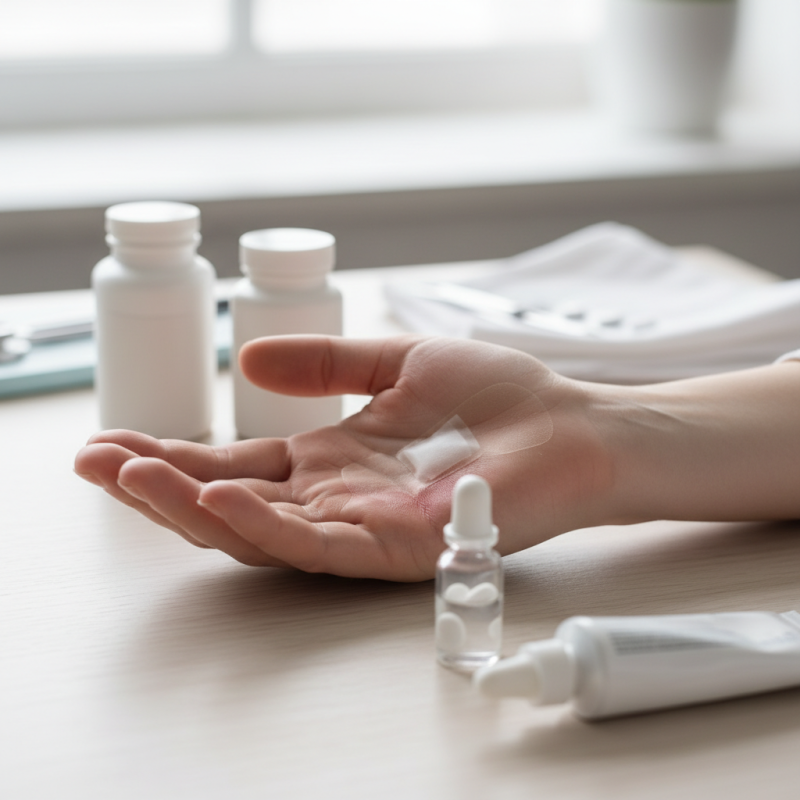
Wound pain is a complex phenomenon that arises from various factors associated with tissue damage. When the skin is breached, whether through cuts, abrasions, or surgical incisions, the body initiates an inflammatory response aimed at healing. This process involves the release of substances that activate pain receptors, signaling the presence of injury. Understanding these mechanisms is crucial, as it helps in determining the most effective pain relief strategies.
Common symptoms of wound pain include sharp or throbbing sensations localized around the injury site. Many individuals may also experience swelling, redness, and heat, indicating active inflammation. The severity of these symptoms can vary based on the type and depth of the wound, as well as individual pain tolerance.
Psychological factors, such as anxiety and stress related to the injury, can also exacerbate the perception of pain. By recognizing these causes and symptoms, patients can better communicate with healthcare providers to manage their pain effectively and promote healing.
Over-the-Counter Medications for Wound Pain Relief
When it comes to managing wound pain, over-the-counter (OTC) medications can provide significant relief. Nonsteroidal anti-inflammatory drugs (NSAIDs), such as ibuprofen and naproxen, are popular choices. These medications not only help reduce pain but also alleviate inflammation, making them ideal for treating wounds that are swollen or bruised. Additionally, acetaminophen is another OTC option that can effectively relieve pain without the anti-inflammatory effects. It is gentler on the stomach and can be useful for individuals who may be sensitive to NSAIDs.
Topical analgesics, such as lidocaine or benzocaine, are also effective in providing localized pain relief. These creams or gels can be applied directly to the wound site, numbing the area and helping to relieve discomfort. For those with minor cuts and abrasions, antibiotic ointments that also contain pain-relieving ingredients can be beneficial, as they promote healing while easing pain. Always consult with a healthcare professional if you are unsure which medication is appropriate for your specific situation, especially if you have underlying health conditions or are taking other medications.
What is the Best Medicine for Wound Pain Relief? Top Options Explained
| Medication Type |
Active Ingredient |
Form |
Dosage |
Notes |
| Topical Analgesics |
Lidocaine |
Cream/Patch |
Apply as needed |
Numbs the area, fast relief |
| NSAIDs |
Ibuprofen |
Tablet |
200-400 mg every 4-6 hours |
Reduces pain and inflammation |
| Acetaminophen |
Acetaminophen |
Tablet/Capsule |
500-1000 mg every 4-6 hours |
Effective for mild to moderate pain |
| Oral Analgesics |
Aspirin |
Tablet |
325-650 mg every 4-6 hours |
Can cause stomach irritation |
| Combination Treatments |
Menthol & Camphor |
Gel |
Apply as needed |
Cooling effect, enhances pain relief |
Prescription Options: When to Consult a Healthcare Provider
When dealing with wound pain, it’s crucial to understand when to consult a healthcare provider for prescription options. According to the World Health Organization (WHO), effective pain management following an injury not only enhances comfort but also promotes quicker healing. Many over-the-counter medications like ibuprofen or acetaminophen can effectively manage mild to moderate pain; however, severe cases may necessitate stronger prescription medications.
For individuals with chronic wounds or those not responding to standard treatments, healthcare providers might consider prescribing opioids or medications specifically tailored for nerve-related pain, such as gabapentin. The American Academy of Pain Medicine reports that nearly 30 percent of patients with chronic pain may require such advanced therapies, indicating the importance of professional guidance in managing wound pain. Consulting a healthcare provider can ensure a comprehensive assessment of pain levels and underlying conditions, allowing for a personalized treatment plan that prioritizes safety and effectiveness.
Home Remedies and Natural Alternatives for Pain Relief
When it comes to managing wound pain, many individuals are increasingly turning to home remedies and natural alternatives. Research indicates that nearly 70% of patients prefer natural solutions over pharmaceuticals when it comes to pain management due to their fewer side effects and holistic benefits. Essential oils, such as lavender and tea tree oil, have shown promise in reducing inflammation and promoting healing due to their antimicrobial properties. Studies reveal that lavender oil can lower pain and anxiety levels by up to 60% when applied topically, making it a popular choice for those seeking a more natural approach.
Another effective natural alternative is honey, particularly manuka honey, which is known for its wound-healing qualities. According to a study published in the Journal of Wound Care, honey can significantly reduce pain and promote faster healing due to its high antibacterial activity. Incorporating fenugreek seeds is another age-old remedy; applying a paste made from soaked seeds can soothe the irritated area.
**Tips:** To enhance the effectiveness of these home remedies, always clean the wound thoroughly before applying any treatment. Additionally, consider combining essential oils with a carrier oil like coconut or olive oil to minimize skin irritation. Regularly changing dressings can also aid in faster healing and pain relief while allowing your natural treatments to work effectively.
Best Practices for Wound Care to Minimize Pain
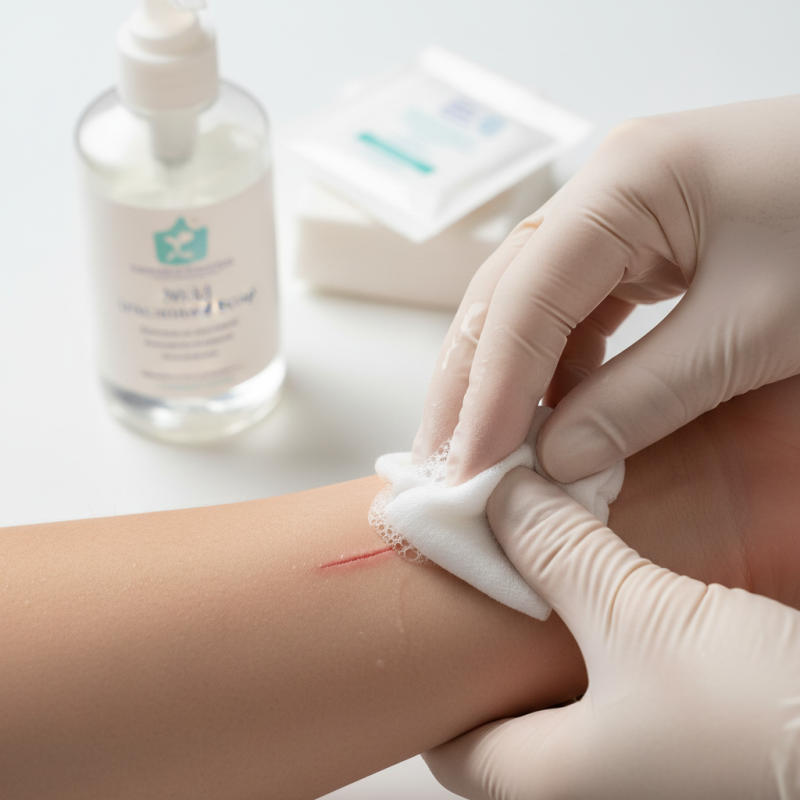
When it comes to managing wound pain, effective care practices are crucial in minimizing discomfort and promoting healing. First and foremost, it is important to keep the wound clean and dry. Gently washing the area with mild soap and water can help prevent infection, which can exacerbate pain. After cleaning, applying a sterile dressing not only protects the wound but can also provide a cushioning effect, reducing sensitivity and discomfort as the healing process begins.
Another essential practice is to maintain optimal moisture in the wound environment. Using occlusive dressings or hydrogels can create a moist environment that encourages faster healing and reduces pain. Furthermore, avoiding tight bandaging is vital; while it is important to secure the dressing, excessive pressure can lead to increased pain and hinder circulation. Alongside these practices, considering over-the-counter pain relief, such as acetaminophen or ibuprofen, can help manage acute pain effectively. Together, these best practices form a comprehensive approach to wound care that prioritizes comfort and hastens recovery.