What is the Best Medical Air Purifier for Home Use?
In recent years, the importance of clean air in our homes has gained significant attention. This is especially true for individuals with health concerns. A medical air purifier can make a positive difference. These devices help reduce airborne contaminants. They ensure a safer living environment for everyone.
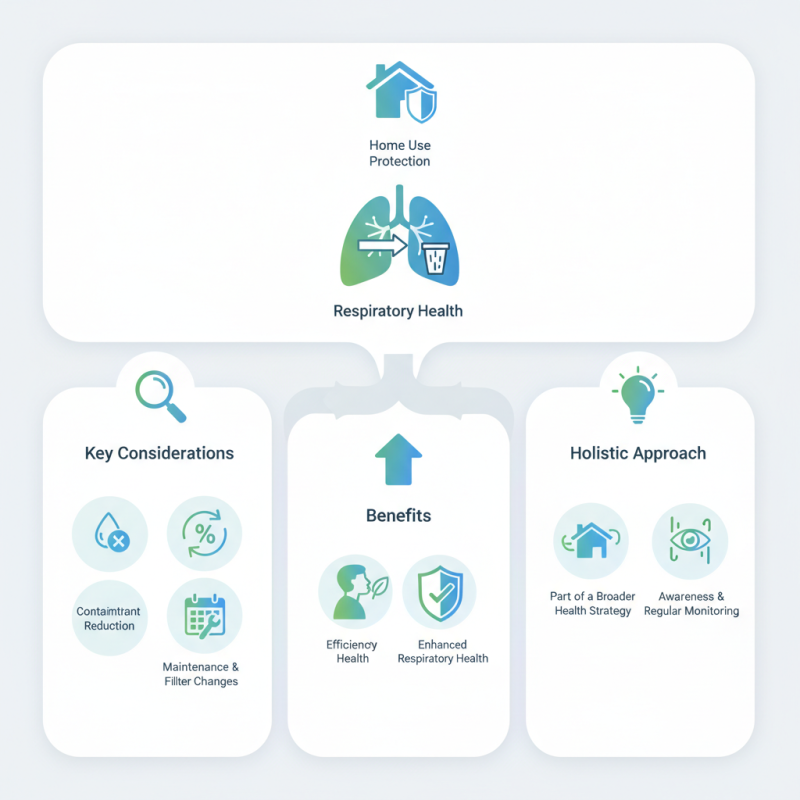
Selecting the best medical air purifier requires careful consideration. Not all purifiers provide the same level of protection. Some products may lack efficiency or have limited filter capabilities. Understanding your specific needs is crucial. Another aspect to consider is maintenance. Regular filter changes are necessary to maintain optimal performance.
Ultimately, the right choice can enhance respiratory health. Making informed decisions can prevent future health issues. However, it is essential to remember that no purifier is a complete solution. Medical air purifiers should be part of a broader approach to health. Striving for clean air is a worthwhile endeavor, but awareness and regular monitoring are vital.
Understanding the Importance of Medical Air Purifiers in Home Health
Medical air purifiers play a crucial role in maintaining health at home. They filter out harmful particles, improving indoor air quality. Many people underestimate the impact of air pollution indoors. Dust, allergens, and contaminants can cause health issues over time. This makes the choice of air purifier more important than we often think.
Imagine dust mites settling on your furniture or pollen drifting in from outside. Have you ever considered how these might affect your family? Air purifiers capture these particles, reducing allergy symptoms and respiratory problems. Yet, it's easy to overlook the need for regular filter changes. A neglected filter can become a source of pollutants, rather than a solution.
Furthermore, many air purifiers produce noise, disrupting your peace. The challenge lies in balancing effectiveness and convenience. Not every unit will fit your space or lifestyle. It's essential to reflect on your specific needs before purchasing one. Evaluating your living environment leads to better health decisions. Understanding these details can help you find an air purifier that truly enhances your home's air quality.
Criteria for Selecting the Best Medical Air Purifier for Home Use
Choosing the right medical air purifier for home use involves several important criteria. First, look for a HEPA filter. This type of filter can capture small particles, including allergens and bacteria. Check the purifier’s Clean Air Delivery Rate (CADR). A higher CADR means cleaner air more quickly. Consider the room size. The purifier should match the dimensions of the area to work effectively.
Tips: Regular maintenance is key. Replace filters as recommended. This ensures optimal performance. Look for models with easy filter replacement. It can help you stick to the schedule.
Noise level can also affect your choice. Some purifiers are quieter than others. If you plan to use it in a bedroom, noise matters. A quieter model will help you sleep better.
Lastly, check additional features. Some purifiers offer air quality indicators. These let you know the air quality in real-time. Look for models with simple controls. Easy operation is a plus, especially during emergencies. Aesthetics can matter, too. After all, it needs to fit your home decor.
Top Features to Look for in Medical Air Purifiers
When selecting a medical air purifier for home use, certain features stand out. Look for devices with high-efficiency particulate air (HEPA) filters. These filters capture at least 99.97% of particles as small as 0.3 microns. They are effective against allergens, dust, and even some viruses. A good filter can significantly improve air quality.
Consider the CADR (Clean Air Delivery Rate) rating. This rating indicates how quickly the purifier can clean the air in a room. A higher CADR means better purification. Make sure the device is suitable for the size of your space. It’s frustrating to find out a purifier is ineffective for larger rooms.
Pay attention to noise levels. Many air purifiers can be noisy during operation. Look for options that offer quiet modes for nighttime use. Not all purifiers are energy efficient, which can lead to higher electricity bills. These factors are crucial in making a smart investment for your health and your home.
Review of Popular Medical Air Purifiers on the Market
When searching for the best medical air purifiers, several popular options stand out. These devices often highlight HEPA filters, which are effective at trapping allergens and tiny particles. Many models also incorporate activated carbon filters, designed to absorb odors and harmful substances. It’s interesting to note that some users report a noticeable improvement in air quality within days of use.
Choosing the right air purifier can be tricky. Features vary widely among different models. Some are compact and suitable for smaller rooms, while others are larger and designed for open spaces. Noise levels vary too, with some units operating quietly at night. However, not all air purifiers effectively filter every type of pollutant, and this can lead to disappointment.
While user feedback is often positive, it’s essential to consider the trade-offs. A powerful air purifier may consume more energy. Maintenance costs, such as filter replacements, can add up. Some models may require frequent cleaning to maintain their efficiency. Research and personal experience can guide consumers in this journey toward better indoor air quality.
What is the Best Medical Air Purifier for Home Use?
| Model | Filter Type | CADR (Clean Air Delivery Rate) | Noise Level | Room Size Coverage | Price Range |
| Model A | HEPA + Activated Carbon | 300 m³/h | 25 dB | Up to 600 sq. ft. | $200 - $250 |
| Model B | HEPA + UV | 250 m³/h | 30 dB | Up to 500 sq. ft. | $150 - $200 |
| Model C | HEPA + Ionizer | 400 m³/h | 28 dB | Up to 700 sq. ft. | $300 - $350 |
| Model D | HEPA + Pre-filter | 350 m³/h | 32 dB | Up to 650 sq. ft. | $250 - $300 |
| Model E | HEPA + Carbon | 280 m³/h | 29 dB | Up to 550 sq. ft. | $180 - $230 |
Maintenance and Care Tips for Home Air Purifiers
Maintaining your home air purifier is crucial for optimal performance. Regular cleaning helps it function effectively. Most filters need changing every few months. Some may require replacement sooner, especially in high-use areas. It's essential to check filters regularly. A dirty filter can reduce efficiency and air quality.
Keep the purifier in a designated space. Avoid placing it near walls or furniture, which may obstruct airflow. Dust and debris accumulate in many homes, impacting performance. Wipe the exterior with a damp cloth frequently. This simple step can improve its operation.
Consider the noise level when choosing an air purifier. Some models are quieter than others, but noise can be annoying. It's worth reflecting on how much noise is acceptable in your living space. Check for indicators that signal when maintenance is needed. Ignoring these signals may lead to more significant issues down the road. Regular attention to your air purifier enhances its longevity and air quality in your home.