
Best China Loquat Leaf Extract Supplier?

Choosing the Best China Loquat Leaf Extract Supplier requires more than comparing prices or reading polished website claims. Loquat Leaf Extract quality depends on botanical identity, harvest conditions, processing controls, and transparent testing. A reliable supplier should clearly identify the plant source, extraction method, active marker compounds, and production location.

Look for practical evidence. Ask for a recent certificate of analysis, including moisture, microbiological limits, heavy metals, pesticides, and residual solvents. Verify whether testing comes from an independent laboratory. Good documentation matters. Batch numbers should connect the raw leaves, production records, and final packaging. Factory certifications, such as GMP or ISO-based quality systems, can support confidence, but certificates should be checked rather than accepted blindly.

The strongest suppliers communicate clearly about specifications, minimum order quantities, lead times, and storage conditions. Their samples should show consistent color, aroma, solubility, and analytical results. A careful supplier also explains whether the extract is intended for food, cosmetic, or other permitted applications, because requirements differ by market. Regulatory compliance must be confirmed for the destination country.

Do not trust appearance alone. A low price may reflect weaker testing, unstable sourcing, or inconsistent concentration. In real purchasing work, small gaps often appear between a sample and a bulk shipment. That risk deserves attention. Ask for a retained sample, written quality agreement, and pre-shipment inspection when appropriate. No supplier is perfect, yet the best partner welcomes reasonable questions, admits limitations, and improves records over time. This approach supports safer decisions and more dependable long-term sourcing.
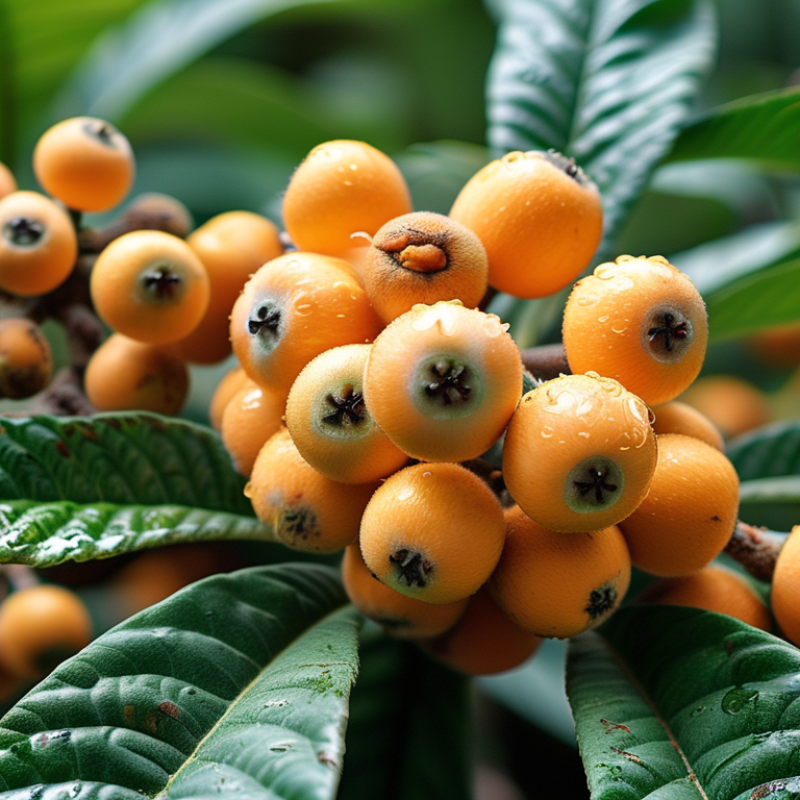
Best China Loquat Leaf Extract Supplier?

What Is Loquat Leaf Extract and How Is It Used?

Loquat leaf extract comes from the dried leaves of Eriobotrya japonica, a tree widely cultivated in China. The leaves contain triterpenes, flavonoids, and phenolic compounds. Extraction usually involves water, ethanol, or another controlled solvent. The final powder may vary in color, aroma, and active compound levels.

It is used in herbal teas, dietary supplement formulas, cosmetics, and laboratory research. Traditional practices have associated loquat leaves with respiratory and digestive support. However, traditional use does not prove medical effectiveness. Human evidence remains limited for many claimed benefits. The extract should not replace professional medical advice, especially during pregnancy or when medicines are involved.

For buyers seeking a reliable China loquat leaf extract supplier, documentation matters more than a polished product image. I would check the botanical name, plant part, extraction ratio, solvent details, and batch test results. A credible supplier should provide identity testing, microbial limits, heavy metal results, and pesticide screening. Traceable cultivation records also matter. One detail is easy to miss: a high marker level does not always mean a better extract. Taste, stability, and intended use must also be considered. Some specifications may look complete, yet still leave questions about storage or shelf life. Asking for recent samples and independent testing can expose those gaps before production begins.

Why Source Loquat Leaf Extract From China?

Why Source Loquat Leaf Extract From China?

China is a practical sourcing base for loquat leaf extract because the plant grows widely in several regions. Local agricultural networks can support steady raw material availability. In sourcing work, botanical identity should come first. The accepted plant name is Eriobotrya japonica. Leaves should be collected at a defined maturity stage and dried under controlled conditions. This helps reduce variation in color, moisture, and active compound levels.

Chinese extraction facilities often provide flexible processing options, including water or ethanol-based extraction. That flexibility can suit food, cosmetic, and research applications. However, lower cost should not replace technical evaluation. A reliable supplier should provide batch records, product specifications, and traceability from farm to finished powder. Testing should cover identity, moisture, microbial limits, heavy metals, pesticide residues, and residual solvents. Independent laboratory verification adds useful confidence.

A certificate alone is not proof. I would request recent reports, inspect sample consistency, and review the supplier’s quality system before placing a large order. Clear packaging matters too. Sealed bags, lot numbers, storage instructions, and defined shelf life can prevent avoidable problems. China offers strong manufacturing capacity, but quality still depends on supervision. No supply chain is flawless. Seasonal changes, drying errors, or unclear plant sources may affect results. Small trial orders and documented specifications create a safer, more realistic purchasing process.

What Makes a Reliable China Loquat Leaf Extract Supplier?

Best China Loquat Leaf Extract Supplier?

A reliable China loquat leaf extract supplier should prove quality, not merely promise it. The supplier should identify the botanical source, plant part, harvest region, and extraction method. Clear records matter. Ask for batch numbers, production dates, and storage conditions. A professional supplier can explain how moisture, temperature, and extraction time affect the final powder.

Testing should cover botanical identity, active marker compounds, heavy metals, pesticides, microbial limits, and residual solvents. Independent laboratory reports add credibility. A certificate of analysis is useful, but it should match the exact batch being shipped. Photos of sealed containers, inner liners, and warehouse conditions can reveal practical details. Small details often expose weak systems.

Supplier experience also appears in communication. Technical questions should receive precise answers, not polished advertising. Request a sample before placing a large order. Compare its color, odor, solubility, and test results. Reliable suppliers maintain traceability from raw leaves to finished extract. They should also explain packaging, shelf life, and transport protection.

No supplier is perfect. Even good documentation can contain gaps. I would check whether specifications remain consistent across several batches. A site audit or video inspection may help, although it cannot replace laboratory testing. The best choice is not always the lowest quote. It is the supplier that stays transparent when something needs correction.

How to Compare Quality, Certifications, and Pricing?

Best China Loquat Leaf Extract Supplier?

How to Compare Quality, Certifications, and Pricing?

A reliable supplier should provide more than a polished specification sheet. Request the botanical name, plant part, extraction solvent, harvest location, and batch number. Loquat leaf should be identified as Eriobotrya japonica, not simply “leaf powder.” This distinction matters because extraction changes the polyphenol profile and testing requirements.

Ask for a current certificate of analysis for every batch. Check marker compounds, moisture, microbial limits, heavy metals, pesticides, and residual solvents. USP General Chapter <561> supports identity and quality testing for botanical materials, while WHO’s Good Manufacturing Practices for Herbal Medicines recommends documented control from raw material to finished extract. Certifications should also match the facility’s scope. ISO 22000 may support food-safety management, but it does not prove botanical authenticity.

Look closely at pricing.

The cheapest quote may use weaker extract ratios, older leaves, or incomplete testing. Compare the cost per kilogram of standardized active compounds, not just the powder price. The American Botanical Council’s 2023 HerbalGram market report recorded U.S. herbal supplement sales of $12.6 billion, showing strong demand but also intense price pressure. Ask whether that pressure affects testing frequency. It can.

A practical review includes a sample, laboratory report, production photos, and a small trial order. Inspect the powder’s color, odor, dispersibility, and packaging after transit. One weakness remains: visual checks cannot confirm identity. Independent laboratory verification is still necessary.

How to Verify a Supplier Before Placing an Order?

Best China Loquat Leaf Extract Supplier?

Supplier verification should begin with evidence, not attractive packaging. The American Botanical Council’s HerbalGram 2023 Herb Market Report valued U.S. herbal supplement sales at $12.6 billion in 2023. That scale increases pressure for dependable botanical quality. Request the supplier’s legal registration, factory address, production scope, and recent audit records. Check whether the facility follows GMP or ISO 22000-based controls. A video call is useful, but an independent audit is stronger.

Ask for a batch-specific certificate of analysis, not a generic template. It should identify the botanical species, plant part, extraction ratio, solvent, marker compounds, and testing laboratory. Confirm HPLC or LC-MS identity testing. Require results for heavy metals, pesticides, microbes, residual solvents, and relevant natural toxins. Loquat leaf specifications may also need clear control of amygdalin-related compounds. Confirm the laboratory’s accreditation and method validation. Do not accept “passed” without numerical limits.

The WHO Global Report on Traditional and Complementary Medicine 2019 notes herbal medicine use across 170 countries, showing why traceability matters. Request three retained samples from different batches. Compare color, odor, solubility, and assay results. I would not rely on one excellent sample. That was a costly assumption. Verify harvest season, drying temperature, storage humidity, and packaging seals. Review the supplier’s complaint process and recall procedure. Price matters, but unexplained price gaps deserve questions. Sometimes, the cheapest extract is simply less tested.

Best China Loquat Leaf Extract Supplier? - How to Verify a Supplier Before Placing an Order?

A practical supplier-verification checklist for buyers of loquat leaf extract

Verification Dimension What to Verify Acceptable Evidence or Data Recommended Buyer Check Warning Signs Priority
Legal Identity Confirm the supplier’s registered business scope and manufacturing or trading status. Current business registration, unified registration information, registered address, and permitted product categories. Match the legal entity, bank account, contract party, factory address, and invoice details. Different names on documents, unverifiable address, or refusal to provide registration information. Critical
Manufacturer or Trader Determine whether the supplier owns production facilities or outsources manufacturing. Factory address, production-line photographs or video, process flow, and written disclosure of subcontractors. Request a live video audit or independent on-site inspection before a large order. No factory access, unclear production location, or documents issued by unrelated entities. High
Botanical Identity Verify that the raw material is loquat leaf and that the botanical source is clearly defined. Scientific name, plant part, extraction solvent, extraction ratio, country or region of origin, and identity test. Require a batch-specific identity test such as HPTLC, HPLC fingerprinting, microscopy, or DNA-based testing where appropriate. Only a common name is provided, or the plant part and extraction process are missing. Critical
Product Specification Check whether the specification is detailed enough for purchasing and quality control. Appearance, color, odor, particle size, extraction ratio, carrier or excipient content, storage conditions, and shelf life. Approve a signed specification before sampling and include it as a contract attachment. Generic specifications, changing descriptions, or no stated test methods. High
Marker Compounds Confirm how the extract’s strength and batch consistency are measured. A defined marker compound or fingerprint method, validated or documented test method, and batch-specific result. Do not accept an unspecified “standardized extract”; define the marker, method, unit, and acceptance range in writing. A high percentage is claimed without identifying the measured compound or analytical method. High
Certificate of Analysis Confirm that test results relate to the exact batch being shipped. Batch number, manufacturing date, retest or expiry date, sampling date, test methods, results, limits, and authorized approval. Compare the COA with the drum labels, purchase order, specification, and independent laboratory results. Undated COA, repeated identical results across batches, missing methods, or no batch number. Critical
Microbiological Safety Assess contamination risks for a botanical powder or extract. Total aerobic microbial count, total yeast and mold count, specified pathogens, and test methods appropriate to the intended use. Use destination-market requirements and applicable methods such as USP <61>, USP <62>, or equivalent validated methods. “Microbiologically safe” is stated without numerical results or pathogen testing. Critical
Contaminants Verify controls for heavy metals, pesticides, aflatoxins, residual solvents, and other relevant contaminants. Numerical results from suitable laboratory methods, with limits linked to the buyer’s destination market and product category. Use risk-based testing and verify compliance with applicable requirements such as USP <232>, USP <467>, or local regulations where relevant. Only a general “passed” statement, no pesticide panel, or limits copied without a regulatory basis. Critical
Quality System Evaluate the system used to control raw materials, processing, deviations, and complaints. Current certificates or audit reports for GMP, HACCP, ISO 22000, FSSC 22000, or other relevant systems. Check certificate scope, site address, validity period, issuing body, and audit status rather than relying on logos. Expired certificates, certificates covering another site, or certificates unrelated to the supplied product. High
Traceability Confirm that each finished batch can be traced back to raw materials and processing records. Raw-material lot, harvest or purchase records, production date, batch code, packaging records, and distribution records. Request a sample traceability exercise from finished product to raw material and packaging components. Batch codes cannot be reconciled or raw-material origin is described only as “natural source.” High
Independent Testing Check whether the supplier’s declared results agree with an independent laboratory. Laboratory report showing sample identity, seal or chain of custody, method, results, and laboratory accreditation status. Test a pre-shipment or retention sample before approving the commercial lot. Supplier discourages independent testing or sends a different sample from the production batch. High
Sample-to-Batch Consistency Confirm that the commercial product matches the approved sample. Retained sample, sealed reference sample, signed specification, and agreed acceptance criteria. Compare appearance, odor, solubility, identity fingerprint, marker assay, moisture, and microbiology. Sample is supplied without a batch number or supplier changes the specification after approval. High
Packaging and Storage Protect the extract from moisture, heat, light, and contamination during storage and transport. Food- or pharmaceutical-grade inner liner, sealed outer packaging, net weight, batch code, manufacture date, expiry or retest date, and storage statement. Confirm packaging compatibility and transport conditions for the planned route and climate. Damaged seals, missing dates, unclear storage requirements, or unlabeled bags. High
Commercial Terms Assess the order conditions and financial exposure before payment. MOQ, price basis, Incoterms, payment schedule, lead time, sample policy, replacement terms, and documentation package. Use a written purchase contract with quality clauses, inspection rights, rejection criteria, and refund or replacement remedies. Pressure for full advance payment, unusually low pricing, or refusal to define nonconformance procedures. High
Final Approval Decide whether the supplier is suitable for a trial order or regular purchasing. Completed supplier questionnaire, approved specification, satisfactory sample test, verified documents, and documented risk assessment. Begin with a controlled trial order and increase volume only after the delivered batch passes inspection. Any unresolved critical issue involving identity, contamination, traceability, or legal status. Critical
Buyer’s rule: Acceptance limits for microbiology, contaminants, pesticide residues, heavy metals, residual solvents, and marker compounds must be confirmed against the product’s intended use and the regulations of the destination market. A supplier certificate alone should not replace independent verification for the first commercial order.

CONTACT US