Activated Carbon Innovations at China Import and Export Fair 139?
The 139th China Import and Export Fair highlights innovative advancements in activated carbon. Activated carbon plays a crucial role in various industries, including air and water purification. According to a recent industry report, the global activated carbon market is projected to reach $8.7 billion by 2027, growing at a CAGR of 10.5%.
At this fair, businesses showcase cutting-edge applications and sustainable practices in activated carbon manufacturing. Suppliers are focusing on enhancing the efficiency and reusability of their products. However, the challenge remains in balancing performance and environmental impact. Many manufacturers are exploring new methods to reduce waste and improve sustainability in activated carbon production.
The integration of AI technologies during the fair enhances trade efficiency. Buyers can easily locate suppliers with the right certifications, such as ISO and CE. It raises the question: are we leveraging technology enough in the activated carbon sector? Embracing innovation is key to staying competitive. Yet, the ongoing need for oversight and environmental consciousness cannot be ignored.
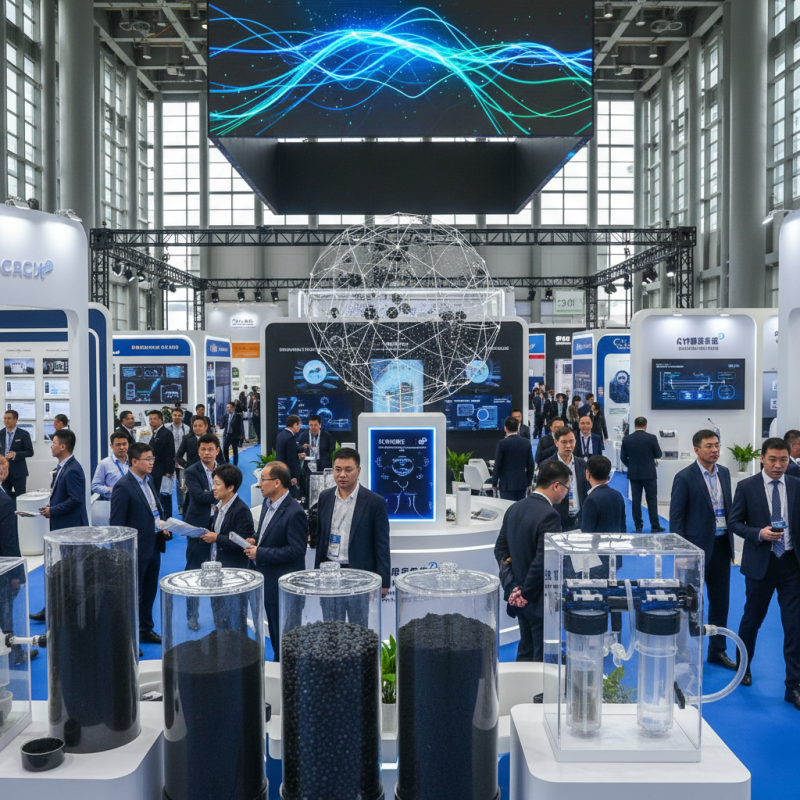
Overview of Activated Carbon Innovations Featured at the Fair
At the recent China Import and Export Fair, activated carbon innovations took center stage. This event showcased a variety of new technologies and applications. Exhibitors highlighted how activated carbon can improve air and water purification. Attendees were particularly interested in eco-friendly options. This focus reflects the growing demand for sustainable solutions.
Among the innovations, one product attracted a lot of attention. It featured a unique porous structure that enhances adsorption efficiency. There were discussions on the usage of activated carbon in diverse industries. Some applications included wastewater treatment and air filtration. However, not all innovations received a warm reception. Some products had questions regarding their long-term efficacy.
The fair also emphasized the need for industry reflection. While many ideas seemed promising, several lacked thorough testing. Attendees discussed the importance of research and development. They recognized that production methods can have a significant impact. It's crucial for professionals to collaborate and share knowledge. Only through collective effort can the industry advance effectively.
Key Manufacturers and Their Innovations in Activated Carbon
At the recent China Import and Export Fair 139, several manufacturers showcased their innovations in activated carbon. The presentation of these new products stirred interest among attendees. New applications, such as air purification and water treatment, highlighted the versatility of activated carbon. Many designs focused on eco-friendly methods, appealing to growing environmental concerns.
One notable innovation was the advancement in production techniques. Some manufacturers explored sustainable sourcing of raw materials. This shift is vital in today's market. There were still questions about scalability and real-world applications. Concerns remain that some methods may not be practical in all settings.
Moreover, specific designs featured unique pore structures to enhance adsorption capabilities. These changes can lead to improved performance in various uses. However, it was clear that not all innovations were fully refined. Some products seemed promising but had limited field-testing results. This gap suggests a need for further research and development to ensure reliability and effectiveness.
Applications of Activated Carbon in Various Industries
The applications of activated carbon are vast and diverse, reflecting its versatility in various industries. In air purification, activated carbon effectively removes pollutants and odors. It traps harmful substances, ensuring cleaner air quality. Many businesses rely on these filters to protect their employees and customers.
Water treatment is another significant area for activated carbon. It removes toxins and contaminants from drinking water. Communities increasingly use it to enhance public health. However, challenges remain in ensuring that all water treatment systems utilize high-quality materials.
In the field of medicine, activated carbon plays a role in detoxification. It helps manage poisoning and overdose cases. While it is useful, its effectiveness can vary. Not every situation benefits equally from its use. Continuous research is needed to improve its applications across different scenarios.
Activated Carbon Innovations at China Import and Export Fair 139
| Application Area | Type of Activated Carbon | Industry Impact | Latest Innovation | Sustainability Aspect |
| Air Purification | Granular Activated Carbon | Reduction of airborne contaminants | Enhanced adsorption capacity | Made from renewable sources |
| Water Treatment | Pelletized Activated Carbon | Removal of organic pollutants | Improved flow rates | Reusable and retrievable materials |
| Food & Beverage | Activated Carbon Powder | Purification of food products | Nano-enhanced filtration technology | Biodegradable materials used |
| Medical Applications | Activated Carbon Fiber | Advanced drug delivery systems | Smart release mechanisms | Recycled materials integration |
| Industrial Processes | Activated Carbon Granules | Efficiency in chemical absorption | Self-energizing carbon systems | Low energy consumption |
Sustainability and Environmental Impact of Activated Carbon Products
Activated carbon is gaining traction in sustainability discussions. Its application spans various industries, from water purification to air filtration. According to a recent report by Research and Markets, the global activated carbon market is projected to reach $6.4 billion by 2025. This growth indicates a rising demand for eco-friendly solutions.
The environmental impact of activated carbon is noteworthy. It can help reduce harmful pollutants. However, the production process often involves high energy consumption. Manufacturing activated carbon usually requires heating materials to very high temperatures. This can lead to significant carbon emissions. It's essential to consider these factors when evaluating sustainability.
Additionally, activated carbon’s longevity complicates its lifecycle analysis. While it can effectively adsorb contaminants, the disposal method matters. If not handled correctly, it can lead to secondary pollution. Transitioning to a circular economy model is vital. Innovations in regeneration and reuse could improve overall sustainability. The path to a greener future is still under construction.
Future Trends in Activated Carbon Technology and Market Growth
At the China Import and Export Fair 139, innovations in activated carbon technology are taking center stage. The market for activated carbon is rapidly evolving. New materials and methods are being introduced, enhancing adsorption capacity. Many industries are aiming for high-performance solutions. These advancements are crucial for air and water purification.
Future trends suggest a strong growth trajectory for activated carbon. The demand for cleaner environments is rising. Companies are exploring sustainable options. Biobased activated carbon is gaining attention. This development reflects a shift towards eco-friendly practices. However, challenges remain. Some innovations still need refinement and testing. There’s a continuous need for research and improvement in efficiency and cost.
As the market grows, competition will increase. Startups and established firms will vie for attention. How to stand out will be a question. Collaborations may offer solutions to technical issues. Finding the right balance between cost and performance is vital. The journey of innovation is not always smooth. Ideas can falter before they flourish. Embracing this uncertainty will be key in shaping the future.